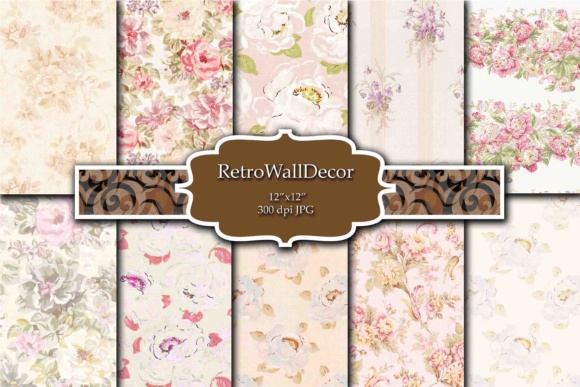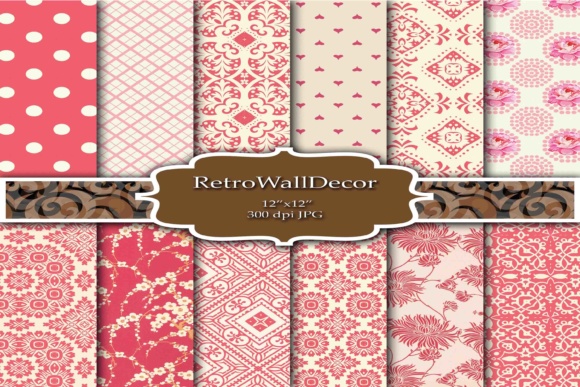
Elevating Creative Projects with Retro Digital Papers Floral and Vintage Damask Designs
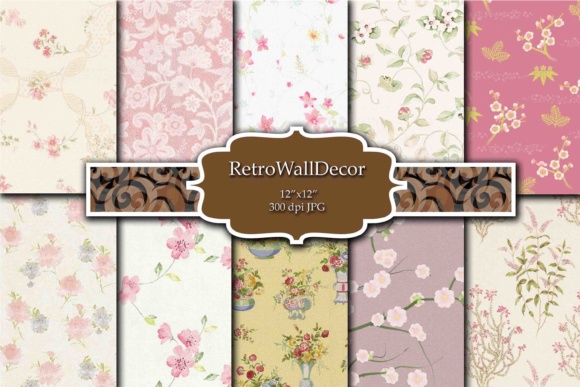
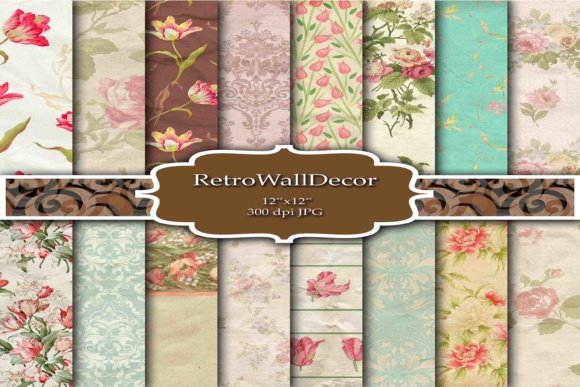
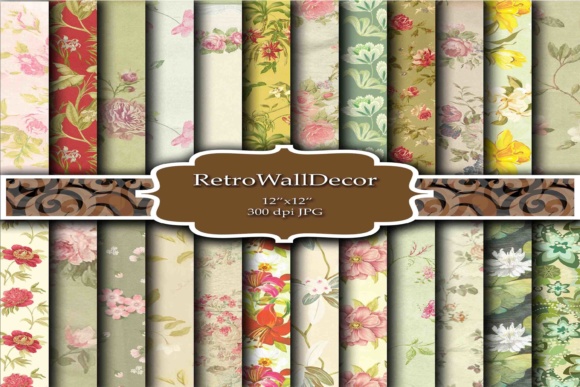
The resurgence of vintage aesthetics in modern graphic design has created a distinct demand for textures that feel both nostalgic and professionally polished. Among the most versatile assets available to today’s digital creators are Retro Digital Papers Floral collections, specifically those featuring red, pink, and beige palettes combined with classic damask and polka dot motifs. These 12x12 digital backgrounds serve as more than just simple backdrops; they act as foundational elements that dictate the mood, era, and emotional resonance of scrapbooking layouts, card designs, and mixed-media art.
When selecting a paper pack for creative work, the specific interplay of pattern and color matters immensely. A collection featuring 12 high-quality JPEG files at 300 DPI offers a curated variety that allows designers to maintain thematic consistency across a project while providing enough variation to prevent visual fatigue. The combination of floral elements with structured damask and playful polka dots creates a balanced tension between organic softness and geometric order, making these papers exceptionally useful for a wide range of applications from wedding stationery to heritage photo preservation.
Technical Specifications for Professional Print Quality
Before integrating any digital asset into a physical product, understanding the technical baseline is non-negotiable. For printable projects like scrapbooking or greeting cards, resolution determines the difference between a crisp, professional finish and a pixelated disappointment. This specific paper pack provides files at 3600x3600 pixels, which translates to a true 300 DPI (dots per inch) at the standard 12x12 inch size. This density is the industry gold standard for home and commercial printing.
Working at this resolution ensures that intricate details within the Retro Digital Papers Floral designs remain sharp even when examined closely. The delicate lines of a vintage rose petal or the subtle texture of a beige damask background retain their integrity during the printing process. Furthermore, starting with a high-resolution master file provides flexibility during the editing phase. If you need to crop a 12x12 sheet down to an A6 card size or a 4x6 journal cover, the remaining pixel density stays well above the minimum threshold for quality output. This headroom is essential for designers who repurpose a single digital paper across multiple formats without needing to source additional assets.
The Psychology of Red, Pink, and Beige Colorways
Color choice in retro design is rarely accidental. The specific triad of red, pink, and beige found in these floral and damask papers evokes a mid-century warmth that differs significantly from modern neon or pastel trends. Beige acts as a crucial neutralizer, providing a restful canvas that prevents the bolder reds and pinks from becoming visually overwhelming. In practical application, this beige foundation often serves as the primary text-bearing layer, ensuring readability while maintaining the vintage atmosphere.
The red and pink accents function as focal points. In scrapbooking, these warmer tones naturally draw the eye toward photographs or journaling blocks placed atop them. For card makers, the psychological association of these colors with romance, nostalgia, and comfort makes them ideal for anniversaries, Valentine’s Day, or "thinking of you" messages. Unlike solid digital colors, the slight variations and textured gradients inherent in Retro Digital Papers Floral designs add depth, preventing flat prints from looking artificial. This chromatic harmony allows creators to mix and match patterns from the same pack confidently, knowing the color grading has been unified for cohesive project planning.
Integrating Damask and Polka Dots into Modern Layouts
While florals provide the romantic anchor of this collection, the inclusion of damask and polka dot patterns introduces necessary structural variety. Purely floral backgrounds can sometimes lack the contrast needed for layering photos or text. Damask patterns, with their symmetrical, ornate repeats, offer a formal elegance that grounds the softer botanical elements. They are particularly effective as matting layers behind photographs, creating a frame-within-a-frame effect that adds sophistication to memory keeping.
Polka dots, conversely, introduce a sense of rhythm and playfulness. In a 12-piece pack, these lighter, more repetitive patterns serve as excellent transition elements between heavier floral sheets. When designing a multi-page album or a set of coordinated stationery, using a polka dot background can provide visual breathing room. Designers often utilize these simpler patterns for backing papers, envelope liners, or tags where a busy floral might compete with handwriting or small typography. The ability to toggle between the complexity of damask, the softness of florals, and the simplicity of polka dots within a single Retro Digital Papers Floral ecosystem streamlines the workflow significantly.
Practical Applications Across Creative Disciplines
The utility of these 12x12 digital papers extends far beyond traditional scrapbooking. Their square format and high resolution make them adaptable assets for various modern creative industries and hobbies:
- Digital Planner Decoration: Users of GoodNotes or Notability frequently import these JPEGs as digital sticker backgrounds or page templates. The retro aesthetic pairs beautifully with cursive digital fonts and washi tape overlays.
- Product Photography Styling: Small business owners selling jewelry, ceramics, or vintage clothing use these papers as seamless flat-lay backgrounds. The 300 DPI quality ensures the product remains the hero while the background adds context without distraction.
- Social Media Content Creation: Cropping these 3600px squares into Instagram posts or Pinterest pins provides instant, on-brand visuals for lifestyle bloggers. The vintage floral theme performs consistently well in engagement metrics for niche communities focused on cottagecore, history, or crafting.
- Fabric and Textile Design: Because the files are high-resolution, surface pattern designers often use these papers as inspiration or direct bases for print-on-demand fabric projects, such as quilting cotton or tote bags.
Workflow Considerations for Digital Paper Management
Adopting digital papers into a creative routine requires some organizational foresight. Since these are JPEG files rather than vector formats, they are raster-based images best suited for Photoshop, Procreate, Affinity Photo, or Canva. Understanding file management ensures these assets remain accessible and usable long-term. It is advisable to keep the original 3600x3600 px masters in a dedicated archive folder and create resized copies for specific projects to preserve the pristine quality of the source material.
Layering techniques also play a pivotal role in maximizing the value of a 12-paper pack. Rarely does a designer use a single sheet in isolation. Effective use of Retro Digital Papers Floral involves blending modes, opacity adjustments, and masking. For instance, reducing the opacity of a red damask layer over a beige floral base can create a custom tint that perfectly matches a specific photograph. Using layer masks to reveal only portions of a polka dot pattern can create custom borders or vignettes. Mastering these non-destructive editing techniques transforms a static pack of JPEGs into an infinite library of customizable textures.
Selecting the Right Asset Pack for Your Needs
Not all retro papers are created equal, and discerning creators should evaluate several factors before incorporating a new pack into their library. Beyond resolution and color palette, consider the scale of the patterns relative to your intended output. A 12x12 paper with massive, sprawling florals may not work well for small ATC (Artist Trading Card) projects, whereas a dense, miniature print might get lost on a full-size scrapbook page. This particular collection’s mix of scales—large florals alongside tighter damask and dot repeats—addresses this common pain point by offering options for both macro and micro compositions.
Additionally, assess the texture authenticity. High-quality retro digital papers should exhibit subtle grain, paper fiber visibility, or slight color imperfections that mimic real vintage stock. Flat, perfectly uniform vectors often fail to convey the desired nostalgic emotion. The tactile suggestion within these JPEG files bridges the gap between digital convenience and analog charm. When evaluating any Retro Digital Papers Floral set, zoom in to 100% to verify that the texture holds up and that the edges of patterns are clean yet natural. This attention to detail ultimately dictates whether the final project feels like a genuine tribute to the past or merely a digital imitation.
Ultimately, the value of a comprehensive digital paper pack lies in its ability to reduce decision fatigue while expanding creative possibilities. By securing a high-resolution, thematically consistent set of red, pink, and beige backgrounds featuring florals, damask, and polka dots, creators equip themselves with a reliable toolkit. Whether preserving family history in a physical album or designing digital content for a modern audience, these assets provide the aesthetic foundation necessary to produce work that is both visually captivating and technically sound.