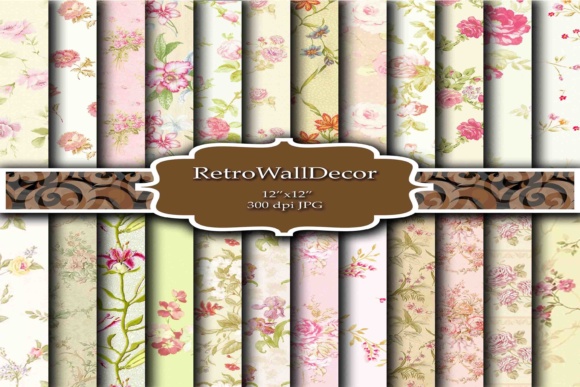
Floral Digital Papers: Shabby Chic Design Guide
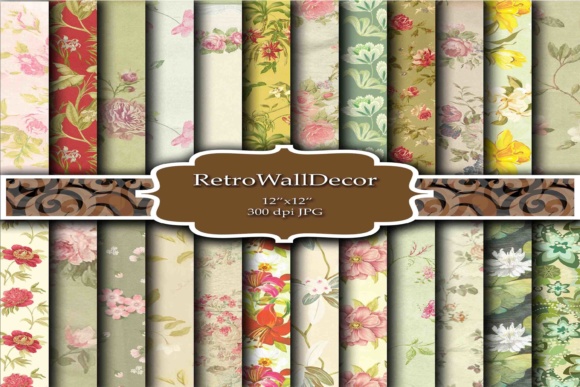
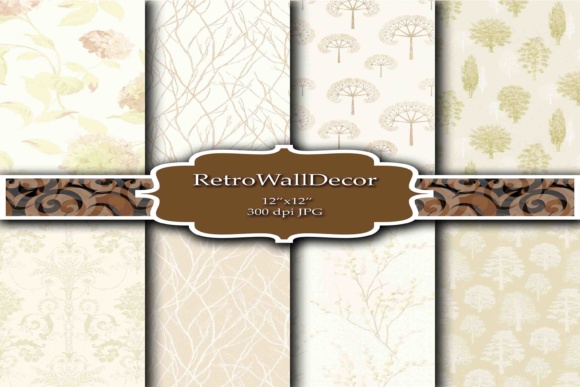
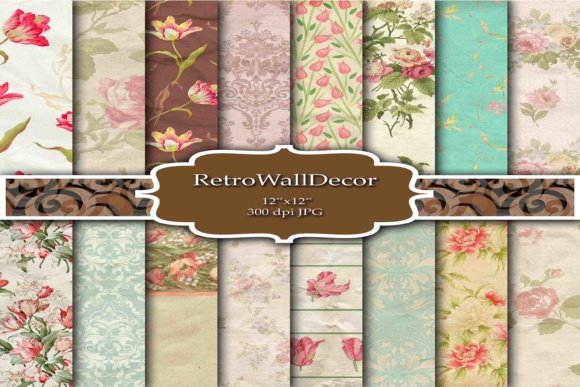
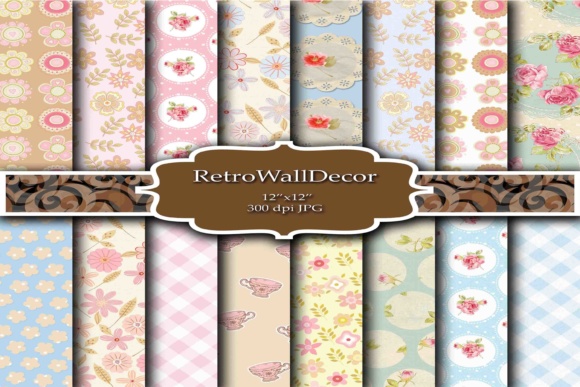
Creating a project that feels both nostalgic and professionally polished often comes down to the texture and depth of your background elements. Floral digital papers in the shabby chic style offer a unique solution for designers, scrapbookers, and small business owners who want to evoke warmth without sacrificing modern print quality. Unlike flat, vector-based graphics, these designs capture the essence of worn elegance, combining soft botanical illustrations with the subtle imperfections of aged paper. This collection specifically provides 24 high-quality JPEG files at 300 DPI, ensuring that whether you are designing a wedding invitation or a product packaging label, the floral patterns remain crisp and vibrant.
Understanding the Shabby Chic Aesthetic in Digital Format
The term "shabby chic" in digital design refers to a visual style that mimics vintage textiles, distressed surfaces, and faded watercolors. When applied to floral digital papers, this means moving away from stark white backgrounds and neon colors. Instead, you encounter muted pastels, cream tones, and sepia washes that suggest history and comfort. These aren't just pictures of flowers; they are textured canvases where the blooms appear to be part of an antique fabric or a weathered wall.
For creators new to this aesthetic, it is important to understand that the value lies in the balance. The best shabby chic floral patterns maintain readability and usability despite their distressed appearance. The 12x12 inch format (3600x3600 pixels) serves as an industry standard because it mirrors traditional scrapbooking paper while providing enough resolution for larger digital layouts. This versatility allows the same file to serve as a seamless website header background or a physical greeting card base without pixelation.
Practical Applications for Creative Projects
The utility of these vintage backgrounds extends far beyond simple photo backdrops. Because the files are high-resolution JPEGs, they integrate smoothly into almost any graphic software, from professional suites like Photoshop and Illustrator to user-friendly platforms like Canva and Procreate. Here are several practical ways to utilize these assets:
- Digital Scrapbooking: Use the papers as primary page backgrounds. The 12x12 dimensions align perfectly with standard digital album templates, allowing you to layer photos and journaling cards directly on top of the floral decoupage textures.
- Stationery and Invitations: Wedding planners and stationers can use these patterns to create cohesive suites. The soft florals work exceptionally well for save-the-dates, menu cards, and thank-you notes where a romantic, timeless vibe is required.
- Social Media Branding: Lifestyle bloggers and influencers can crop these squares into portrait or landscape formats for Instagram stories, Pinterest pins, or blog post headers. The texture adds visual interest to text-heavy graphics without overwhelming the message.
- Product Packaging: Small business owners selling handmade goods, jewelry, or artisanal foods can print these papers for box liners, tags, or wrapping sheets. The tactile look of shabby chic enhances the perceived value of handcrafted items.
- Decoupage and Craft Projects: Physical crafters can print these files onto matte photo paper or cardstock for traditional decoupage. The high DPI ensures that even when cut into intricate shapes, the edges and details remain sharp.
Why Resolution and File Quality Matter
When sourcing floral digital papers, technical specifications are just as important as artistic style. Many free or low-cost alternatives suffer from low resolution, resulting in blurry prints or jagged edges on screens. This specific set of 24 files guarantees 300 DPI at 3600x3600 pixels. This specification is the benchmark for professional printing. If you attempt to print a 72 DPI web image on physical cardstock, the result will look grainy and amateurish. By starting with high-fidelity source files, you ensure that your final output—whether digital or physical—retains the delicate brushstrokes and paper grain that define the shabby chic genre.
Furthermore, having a collection of 24 coordinated designs solves a common design problem: inconsistency. Mixing and matching random images from different sources often leads to clashing color palettes and conflicting lighting. A curated bundle ensures that every pattern shares the same color grading and textural foundation. This cohesion is vital for projects requiring multiple pages or pieces, such as a full event stationery suite or a multi-page digital planner.
Tips for Working with Vintage Floral Textures
While these papers are designed to be beautiful on their own, maximizing their potential requires some thoughtful application. Beginners should keep a few best practices in mind to avoid muddying their designs.
Mind Your Contrast: Shabby chic backgrounds are inherently busy due to their texture and detail. When placing text over these florals, always ensure sufficient contrast. White text may disappear against cream-colored petals, while black text might feel too harsh. Consider using semi-transparent overlays or solid-colored text boxes behind your copy to improve legibility without completely hiding the underlying pattern.
Layering with Intention: These digital papers shine when used as part of a layered composition. Try blending modes like "Multiply" or "Overlay" in your editing software to let the paper texture show through other elements. Alternatively, use the floral papers as masking layers to clip photos into organic shapes, making memories feel like they are woven into the vintage fabric.
Scale and Cropping: Although 12x12 is the native size, do not feel limited by the square aspect ratio. Zoom in to highlight a specific cluster of roses for a business card, or tile the pattern to create a continuous backdrop for a website. The high pixel count allows for significant cropping without losing the integrity of the image.
Choosing the Right Assets for Your Needs
Before incorporating floral digital papers into your workflow, consider the specific mood you aim to convey. Shabby chic varies from light and airy to dark and moody. Review the color palette of the 24-file collection to ensure it complements your existing brand identity or project theme. If you are working on a modern minimalist project, these ornate textures might clash, but for anything involving heritage, romance, nature, or craftsmanship, they provide an instant emotional connection.
Additionally, verify the licensing terms associated with the digital files. For entrepreneurs and freelancers, understanding whether the license permits commercial end-products versus personal use is critical. High-quality assets are an investment in your creative reputation; ensuring you have the right to use them in client work protects both you and your business.
Ultimately, floral digital papers in the shabby chic style bridge the gap between analog charm and digital convenience. They allow modern creators to tap into the beauty of vintage aesthetics without the cost and storage issues of physical antique papers. Whether you are preserving family memories in a scrapbook, launching a new Etsy shop, or simply adding a touch of elegance to your social media feed, these high-resolution backgrounds provide the foundational texture needed to make your work stand out. By focusing on quality, coordination, and thoughtful application, you can transform simple JPEG files into compelling visual narratives that resonate with viewers on an emotional level.