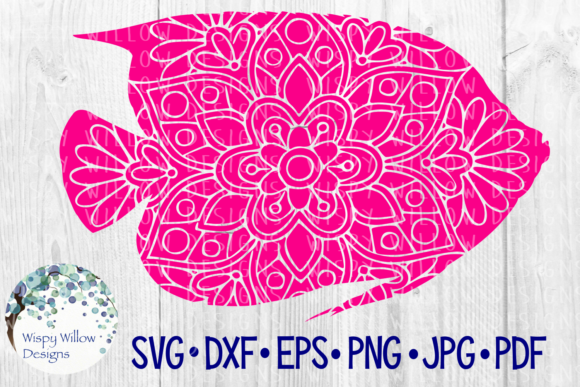
Integrating the Fish Mandala, Nautical, Summer, Ocean, Beach Floral Cut File into Creative and Commercial Workflows
The Fish Mandala, Nautical, Summer, Ocean, Beach Floral Cut File serves as a versatile digital asset designed to bridge the gap between intricate artistic design and practical manufacturing. For creators, small business owners, and educators, this specific design element is more than just a seasonal graphic; it is a functional component within a larger production ecosystem. Whether you are manufacturing physical products for an Etsy shop, designing educational materials for marine biology units, or creating branded merchandise for a coastal event, understanding how to leverage this asset efficiently determines the quality of your final output and the sustainability of your workflow.
In professional creative environments, assets like this function as foundational building blocks. The mandala structure provides inherent symmetry and balance, which reduces the cognitive load during the layout phase. Simultaneously, the nautical and floral elements anchor the design in a specific seasonal context without requiring extensive custom illustration. This duality makes the Fish Mandala, Nautical, Summer, Ocean, Beach Floral Cut File particularly valuable for professionals who need to maintain high visual standards while adhering to tight production schedules. It allows for rapid prototyping and iteration, enabling users to test market viability or finalize client approvals before committing to full-scale production.
Technical Compatibility and File Format Utilization
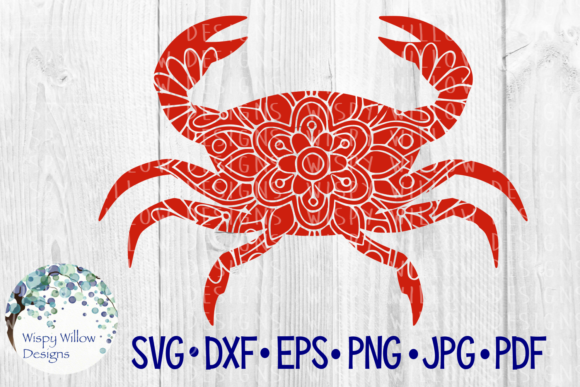
A critical aspect of integrating this asset into any workflow is understanding the distinct utility of each included file format. The listing provides six specific formats, and selecting the correct one prevents technical bottlenecks downstream. Misusing file types is a common source of production delays and quality degradation.
- SVG (Scalable Vector Graphics): This is the primary format for cutting machines like Cricut Design Space and Silhouette Studio. Because it retains vector data, nodes remain editable, allowing you to separate layers for multi-color vinyl applications or adjust line weights for scoring tools. Use this format when precision cutting is the end goal.
- DXF (Drawing Exchange Format): Essential for users of the free version of Silhouette Studio or older CNC software. DXF files often convert curves into polylines, which can sometimes result in jagged edges at extreme zoom levels. Always verify node smoothness after importing a DXF into your workspace.
- EPS (Encapsulated PostScript): The industry standard for professional vector editing in Adobe Illustrator, CorelDRAW, or Affinity Designer. If you plan to modify the mandala’s geometry, recolor individual fish elements, or integrate the design into complex print layouts, the EPS file offers the highest level of editability and color fidelity.
- PDF (Portable Document Format): Best utilized for print-on-demand services, sublimation templates, or sharing proofs with clients. PDF preserves vector integrity for printing but locks the design against accidental modification during the transfer process.
- PNG (Transparent Background): Crucial for digital mockups, web graphics, and direct-to-garment (DTG) printing preparation. The transparency allows for seamless layering over textured backgrounds or product photography without manual masking.
- JPEG: A rasterized fallback suitable for quick reference, low-resolution social media teasers, or legacy systems that cannot process vectors. Avoid using JPEG for final production due to compression artifacts and lack of scalability.
Pre-Production Planning and Asset Preparation
Before initiating any cut or print job, proper preparation ensures consistency and minimizes material waste. When working with intricate designs like a fish mandala, the complexity of the vector paths directly impacts machine performance and weeding time. Professionals should always perform a pre-flight check on the SVG or EPS file within their native software environment.
Begin by ungrouping the layers to inspect the node count. Intricate floral and ocean motifs can contain thousands of anchor points. If you are cutting vinyl or cardstock, excessive nodes cause the blade to stutter, resulting in torn edges. Utilize path simplification tools to reduce point density without compromising visual detail. This step is especially important when scaling the design down for smaller applications like tumblers or keychains. Additionally, verify that all overlapping shapes are welded or united if you intend to cut the mandala as a single piece. Leaving separate overlapping paths will cause the machine to double-cut the same lines, ruining the substrate and dulling the blade prematurely.
Color separation is another vital preparatory step for multi-layer projects. Since this design combines nautical and floral elements, you may wish to assign different materials to specific components—such as holographic vinyl for the fish and matte cardstock for the florals. Organizing these layers in your cutting software before sending the job to the machine streamlines the physical assembly process and reduces alignment errors.
Execution Across Physical and Digital Mediums
The application of the Fish Mandala, Nautical, Summer, Ocean, Beach Floral Cut File extends across multiple mediums, each requiring specific workflow adjustments. In physical fabrication, the choice of material dictates the settings. For adhesive vinyl, use a slower cutting speed and lighter pressure to preserve the delicate interior details of the mandala. For cardstock or paper, ensure your blade is sharp and consider using a tackier mat to prevent shifting during the intricate cuts. If utilizing the design for laser engraving or etching, convert the vector strokes to filled shapes in your laser software to ensure consistent burn depth.
For digital creators and marketers, the PNG and JPEG files facilitate rapid content creation. The transparent PNG is ideal for overlaying onto product mockups to showcase potential merchandise without photographing physical samples. This accelerates the validation phase for new summer product lines. Educators and bloggers can utilize the vector files to create scalable worksheets, coloring pages, or presentation headers that remain crisp regardless of display size. The thematic coherence of the ocean and floral elements supports narrative consistency in seasonal campaigns or curriculum planning.
Sublimation and heat transfer workflows benefit significantly from the PDF and EPS formats. Because these retain vector data, you can resize the design to fit various blank sizes—from coasters to beach towels—without pixelation. When preparing for sublimation, remember to mirror the image horizontally and manage color profiles appropriately to ensure the vibrant blues and teals of the ocean theme reproduce accurately on polyester substrates.
Post-Processing Quality Control and Organization
Efficient workflows extend beyond creation to include organization and quality assurance. After completing a project with this cut file, document your successful settings. Note the material type, blade depth, speed, and pressure used for the intricate mandala sections. Building a personal database of proven parameters reduces setup time for future batches and ensures consistency across large production runs.
Digital asset management is equally important. Rename the downloaded files with descriptive metadata that includes the theme, orientation, and version date rather than relying on generic filenames. Store the master EPS and SVG files in a cloud-synced folder accessible across devices, while keeping production-ready PNGs in a separate directory for quick retrieval. This hierarchical organization prevents version control issues and ensures you always have access to the highest quality source file for future modifications.
Quality control should also address licensing and commercial usage. Verify the terms associated with your purchase to ensure compliance when selling finished goods. Understanding these boundaries protects your business and maintains professional integrity. Furthermore, gather feedback from customers or end-users regarding the design’s appeal and durability. If certain intricate areas consistently fail during weeding or wear poorly on garments, return to the EPS file to simplify those specific vector paths. Treating the digital asset as a living component of your product development cycle leads to continuous improvement and better market fit.
Strategic Integration for Long-Term Value
Maximizing the return on investment for the Fish Mandala, Nautical, Summer, Ocean, Beach Floral Cut File requires viewing it as a modular system rather than a static image. Deconstruct the mandala into its constituent parts. The individual fish elements can serve as standalone icons for navigation menus, bullet points in printed guides, or accent stickers. The floral borders can be repurposed for framing quotes or highlighting text in newsletters. By atomizing the design, you extend its utility far beyond the original summer season.
Consider combining this asset with complementary typography or solid geometric shapes to create cohesive product families. A well-executed nautical collection might feature the full mandala on tote bags, isolated fish motifs on water bottles, and floral accents on greeting cards. This systematic approach to design application creates perceived value for customers and establishes brand recognition. For educators, this modularity supports differentiated instruction, allowing the same visual theme to be adapted for various age groups and learning objectives.
Ultimately, the efficiency gained from using professionally structured cut files lies in the reduction of friction between concept and execution. By mastering the technical specifications, preparing assets meticulously, and organizing outputs systematically, professionals transform a simple digital download into a reliable engine for creative and commercial productivity. The Fish Mandala, Nautical, Summer, Ocean, Beach Floral Cut File is not merely a decoration; it is a tool that, when wielded with intention, enhances both the quality of the work and the sustainability of the practice.