Acoustic Guitar Floral Zentangle Mandala: Merging Music and Intricate Design
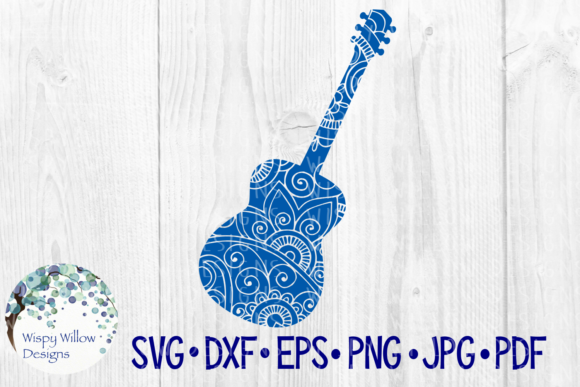
The intersection of musical passion and visual artistry creates some of the most compelling designs in modern digital crafting. When you encounter an Acoustic Guitar Floral Zentangle Mandala Instrument graphic, you are looking at more than just a picture of a guitar; you are seeing a fusion of rhythm, nature, and meditative geometry. This specific aesthetic combines the organic curves of an acoustic instrument with the structured, repetitive patterns of zentangle art and the symbolic wholeness of mandalas. For creators in the music, rock, and folk genres, this design serves as a powerful visual metaphor for the harmony found in sound.
Understanding how to utilize this design effectively requires more than just downloading a file. It involves recognizing the technical nuances of vector graphics, understanding the emotional resonance of floral motifs within rock culture, and knowing which file format suits your specific production workflow. Whether you are printing merchandise for a band, creating laser-cut decor for a studio, or designing digital assets for a music festival, the versatility of this artwork is defined by its technical foundation and artistic depth.
The Artistic Fusion of Sound and Pattern
Zentangle and mandala art have long been associated with mindfulness and focus, traits that parallel the discipline required to master an acoustic guitar. In this design, the body of the instrument often acts as the canvas for intricate floral vines and geometric repetition. This is not merely decorative; it transforms the guitar into a living entity. The floral elements soften the hard edges typically associated with rock music iconography, offering a bohemian or folk-rock alternative to aggressive skulls or lightning bolts.
This stylistic choice matters significantly for branding and merchandise. Audiences respond to visuals that reflect the sonic texture of the music. An acoustic guitar adorned with delicate mandala work suggests complexity, warmth, and organic tone. It appeals to listeners of indie rock, Americana, and unplugged sessions where the craftsmanship of the instrument is as important as the performance. When selecting this type of artwork, consider how the density of the zentangle patterns will translate across different mediums. Highly detailed line work looks stunning on screen but requires careful consideration when applied to textiles or wood engraving to ensure the intricacies remain distinct rather than muddying together.
Navigating Vector Formats for Professional Results
The true value of this digital asset lies in its included file types. A listing that provides EPS, DXF, SVG, PDF, PNG, and JPEG files covers virtually every base in the creative industry, but each serves a distinct purpose. Understanding these differences prevents production errors and ensures the highest quality output for your music-related projects.
- SVG (Scalable Vector Graphics): This is the gold standard for web use and consumer cutting machines like Cricut or Silhouette. Because SVGs are XML-based code, they scale infinitely without pixelation. For a zentangle mandala guitar, this means every tiny petal and line remains crisp whether printed on a sticker or a stage backdrop. It is also the preferred format for vinyl decals on guitar cases or amplifiers.
- DXF (Drawing Exchange Format): Essential for industrial fabrication. If you plan to laser cut this acoustic guitar design out of plywood for wall art or create metal signage for a venue, the DXF file provides the precise path data CNC machines require. Unlike raster images, DXF separates layers effectively, allowing operators to distinguish between cut lines and engrave lines.
- EPS (Encapsulated PostScript): The professional print industry standard. Screen printers and large-format banner companies prefer EPS because it retains vector information while being compatible with legacy Adobe software. If you are producing tour t-shirts featuring this floral mandala instrument, the EPS file ensures color separation is accurate and edges are sharp.
- PDF (Portable Document Format): While often associated with documents, vector PDFs are excellent for sharing proofs with clients or band members. They preserve the vector integrity of the mandala design and can be opened on any device without specialized design software, making collaboration seamless.
- PNG (Transparent Background): Crucial for digital overlays and mockups. The transparent background allows you to place the acoustic guitar directly onto website headers, social media posts, or video thumbnails without unsightly white boxes. This format maintains high resolution, making it suitable for DTG (Direct-to-Garment) printing where transparency is needed for dark fabrics.
- JPEG: Best reserved for reference, quick previews, or low-stakes digital sharing. As a raster format, it does not scale well for production. However, having a high-res JPEG is useful for cataloging your design library or sending a quick concept approval via email.
Practical Applications in Music Culture and Decor
The utility of an Acoustic Guitar Floral Zentangle Mandala extends far beyond simple decoration. In the context of rock and acoustic music lifestyles, this imagery functions as environmental storytelling. Recording studios often seek acoustic treatment panels that double as art; laser-cutting this mandala design into wooden diffusers adds both sonic function and visual warmth to the space. The organic nature of the floral patterns complements the wooden tones of vintage instruments, creating a cohesive atmosphere that inspires creativity.
For merchandise managers and independent artists, this design offers a unique positioning opportunity. The rock genre has saturated markets with edgy, dark aesthetics. Introducing zentangle and mandala elements taps into the wellness and mindfulness crossover audience. Yoga instructors who play acoustic guitar, festival vendors focusing on sustainable goods, and luthiers showcasing custom inlays all find practical use in this hybrid imagery. The design bridges the gap between counter-culture rock and contemporary artisanal appreciation.
Considerations for Scaling and Detail Preservation
When working with complex zentangle artwork, scale is your primary technical constraint. The beauty of a mandala lies in its precision, but that precision can be lost if the output method cannot handle fine details. Before committing to a production run, evaluate the line weight relative to the final size. For screen printing, lines generally need to be thicker than 0.5 points to hold ink properly. For laser engraving, test the power settings on scrap material first; too much power can burn away the delicate floral distinctions, turning a beautiful mandala into a charred blob.
Digital applications present their own challenges. While the SVG file is scalable, displaying extremely complex vectors on older mobile devices can cause rendering lag. In such cases, utilizing the high-resolution PNG version for web display while keeping the SVG for print production is a smart workflow optimization. Always maintain the original source files in a secure archive. The ability to return to the editable EPS or SVG file allows you to modify colors, adjust line weights, or isolate specific elements of the mandala for future variations without starting from scratch.
Integrating Digital Assets into Modern Creative Workflows
The inclusion of six distinct file formats acknowledges that modern creators rarely work in a single ecosystem. A graphic designer might start with the EPS in Illustrator to recolor the mandala to match a band’s album art, export a PNG for the social media manager, and send the DXF to a local maker space for custom guitar picks. This interoperability is what makes the asset valuable. It removes friction between ideation and execution.
Furthermore, the transparent PNG and layered vector files support the growing trend of personalized customization. Fans increasingly want unique gear. Using this acoustic guitar floral design as a base, you can easily add names, dates, or lyrics within the mandala structure using standard design software. The zentangle style naturally accommodates text integration, as the negative spaces within the pattern provide ready-made areas for personalization without disrupting the overall composition. This adaptability turns a static image into a dynamic platform for fan engagement and bespoke product creation.
Ultimately, choosing an Acoustic Guitar Floral Zentangle Mandala Instrument asset is about securing a versatile foundation for creative expression. It respects the traditions of both music and decorative art while providing the technical flexibility demanded by today’s diverse manufacturing and digital landscapes. By leveraging the appropriate file format for each specific application, creators can ensure that the intricate beauty of the design translates perfectly from screen to physical reality, resonating deeply with audiences who appreciate the finer details of rock and acoustic culture.