Evaluating the Duck Floral Mandala Design for Creative Projects
Selecting digital artwork for crafting, printing, or design projects requires careful consideration of both aesthetic appeal and technical utility. The Duck Floral Mandala represents a specific niche within animal-themed vector art, combining wildlife imagery with intricate decorative patterns. When evaluating this design, which features ducks and bird motifs integrated into a mandala structure, it is essential to understand how the intersection of nature themes and geometric precision serves various creative applications. This evaluation explores the functional aspects of the design, the implications of the included file formats, and practical decision-making factors for potential users.
Understanding the Design Concept
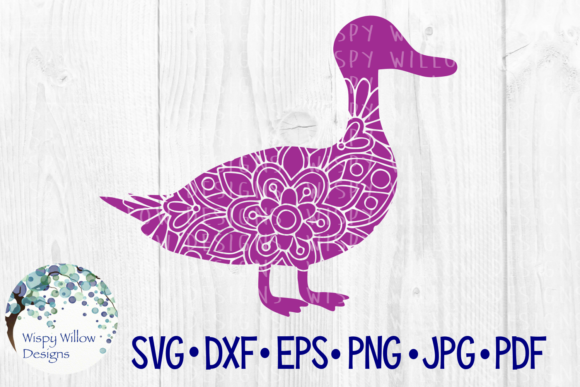
The Duck Floral Mandala is a hybrid graphic that merges representational animal art with abstract ornamental design. Unlike standard wildlife illustrations that focus solely on anatomical accuracy, this design utilizes the silhouette and form of ducks and birds as structural elements within a larger radial pattern. The floral components serve to soften the geometry typically associated with mandalas, creating a balance between organic naturalism and mathematical symmetry.
For researchers and designers comparing animal-themed assets, this style offers a distinct alternative to traditional portraiture. It functions effectively as a decorative element rather than a literal depiction. The integration of bird and duck imagery into a circular format allows the design to function as a badge, emblem, or central focal point, distinguishing it from rectangular landscape or portrait-oriented wildlife art. Understanding this stylistic positioning is crucial for determining if the asset aligns with project requirements that demand both thematic relevance and decorative versatility.
Technical Utility of Included File Formats
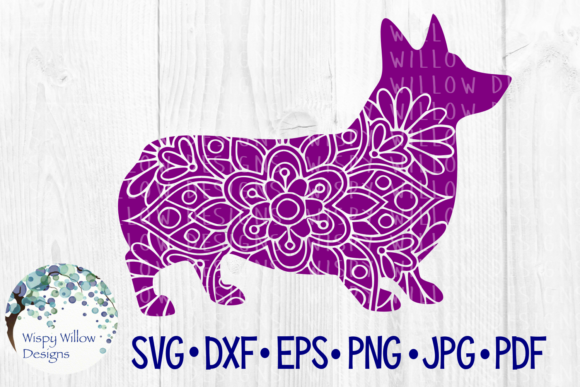
A primary factor in evaluating any digital download is the breadth and quality of the provided file types. This download includes six distinct formats: EPS, DXF, SVG, PDF, PNG (transparent background), and JPEG. Each format serves a specific technical purpose, and understanding these distinctions helps users assess whether the package meets their workflow needs.
- EPS (Encapsulated PostScript): This is a legacy vector format compatible with professional design software like Adobe Illustrator and CorelDRAW. It is essential for users who need to resize the Duck Floral Mandala to billboard dimensions without pixelation or modify individual anchor points. Its inclusion indicates the file is true vector art rather than a rasterized image.
- DXF (Drawing Exchange Format): Specifically relevant for CNC machining, laser cutting, and vinyl plotting. If the intended application involves physical fabrication using machines like Cricut, Silhouette, or industrial lasers, the DXF file provides the necessary path data. Users should verify their machine’s compatibility, as some older plotters handle DXF nodes differently than modern software.
- SVG (Scalable Vector Graphics): The standard for web-based design and consumer cutting machines. SVG files retain editability in browser-based tools and craft software. For hobbyists creating apparel or decals featuring ducks and bird themes, this is often the most frequently used format due to its balance of scalability and accessibility.
- PDF (Portable Document Format): While often associated with documents, vector-based PDFs preserve crisp lines at any zoom level. This format is useful for high-resolution printing when specialized design software is unavailable. It serves as a reliable middle ground for print shops that require standardized inputs.
- PNG (Transparent Background): A raster format essential for overlaying the design onto colored backgrounds or existing layouts without manual masking. While not scalable like vectors, a high-resolution PNG is necessary for sublimation printing, digital scrapbooking, or web graphics where vector support is limited.
- JPEG: A compressed raster format best suited for previews, mood boards, or low-resolution reference. It lacks transparency and scalability but ensures universal compatibility across all devices and platforms.
Benefits and Practical Applications
The primary benefit of acquiring a comprehensive bundle like the Duck Floral Mandala is workflow efficiency. Having access to both source vectors and ready-to-use rasters eliminates the need for format conversion, which can sometimes introduce artifacts or node errors. For creators focusing on animal and bird aesthetics, the mandala style offers unique advantages over standard illustrations. The radial symmetry makes it inherently suitable for round substrates such as coasters, plates, embroidery hoops, and circular stickers.
Furthermore, the combination of floral and avian elements increases the design's seasonal versatility. While a standalone duck illustration might feel strictly tied to hunting season or spring migration, the addition of floral mandala elements broadens its applicability to general nature decor, nursery themes, or botanical collections. This duality can be a significant value proposition for sellers on print-on-demand platforms who need designs that appeal to multiple customer demographics simultaneously.
Tradeoffs and Considerations
Despite its versatility, there are tradeoffs to consider when selecting a stylized design like this over realistic animal art. The abstraction required to fit a duck or bird into a mandala structure means fine details may be lost or simplified. For projects requiring educational accuracy or scientific illustration, this design would be inappropriate. The artistic license taken to achieve symmetry prioritizes decoration over biological fidelity.
Additionally, complex mandala designs can present challenges in certain manufacturing processes. Intricate floral intersections and tight spacing within the bird silhouettes may cause issues with vinyl weeding or laser cutting if the material is too thick or the blade setting is imprecise. Users planning physical production must evaluate the minimum line weight of the SVG or DXF file against their equipment's capabilities. Raster files (PNG/JPEG) also carry the limitation of fixed resolution; while the transparent PNG is useful, it cannot be scaled indefinitely for large-format signage without losing clarity, necessitating reliance on the EPS or SVG versions for bigger projects.
Situational Fit and Alternatives
The Duck Floral Mandala is a strong fit for specific scenarios. It excels in decorative crafts, textile design, and branding for businesses that want to convey a connection to nature through an artistic lens rather than a photographic one. It is particularly effective for merchandise targeting audiences who appreciate folk art, boho aesthetics, or stylized wildlife motifs. The inclusion of the DXF file specifically signals suitability for the maker community and small-scale manufacturers.
However, alternatives may be worth considering in other contexts. If the goal is minimalist modern design, a detailed floral mandala may appear too busy or traditional; a simple line-art duck silhouette might be preferable. Conversely, if the project demands photorealism for a nature documentary poster or educational material, vector art of any kind will likely fall short, and a high-resolution photograph or digital painting would be more appropriate. For users who only require a single use-case, such as a web banner, purchasing a full multi-format bundle may be unnecessary overhead compared to sourcing a single optimized PNG.
Making an Informed Decision
Ultimately, determining whether this download aligns with your goals requires matching the asset's characteristics to your specific output requirements. Evaluate the complexity of the Duck Floral Mandala against your production method; ensure the level of detail is achievable with your chosen medium. Verify that the provided file formats integrate seamlessly with your current software ecosystem. Consider whether the stylized blend of ducks, birds, and floral patterns communicates the intended message to your audience.
By objectively assessing these technical and aesthetic factors, users can move beyond surface-level appeal and determine if this specific animal-themed design offers the functional value and creative flexibility required for their projects. The presence of multiple industry-standard formats suggests a focus on usability, but the final determination rests on the alignment between the design's stylized nature and the end-user's practical application.