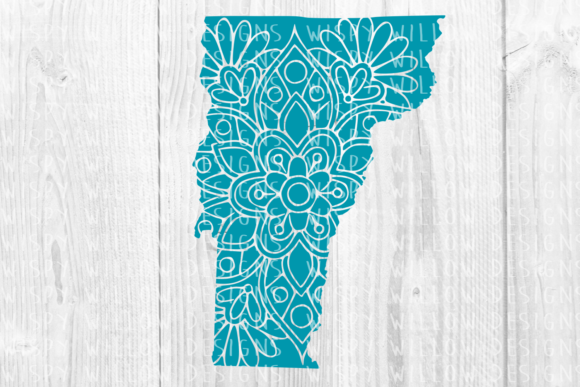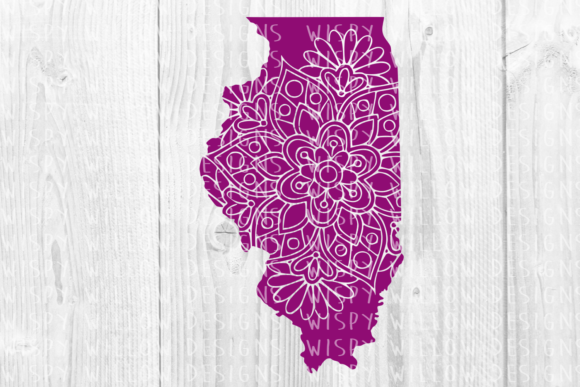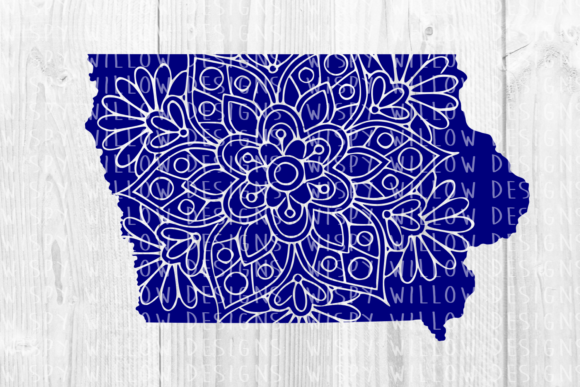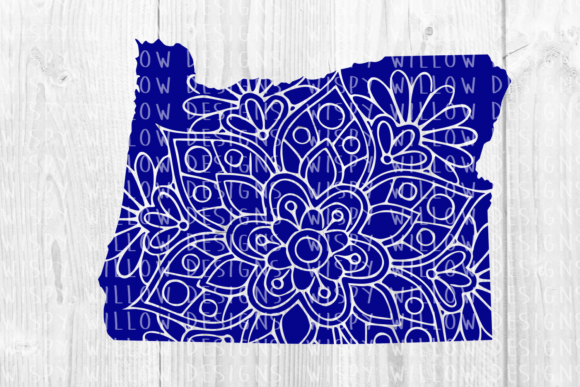
Crafting North Dakota Pride: A Complete Guide to the Floral Mandala State Cut File
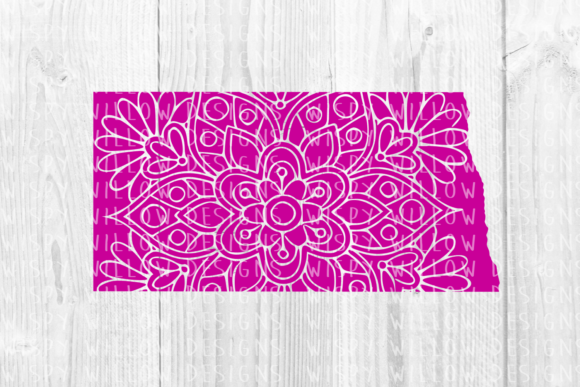
In the expansive world of digital crafting and personalized design, few elements capture regional identity quite like a state-themed silhouette. However, modern makers are moving beyond simple outlines. The North Dakota ND Floral Mandala State Cut File represents a sophisticated evolution in geographic art, blending cartography with intricate botanical aesthetics. This digital asset is more than just a shape; it is a versatile design foundation that bridges the gap between traditional folk art and contemporary fabrication technology. Whether you are a small business owner creating localized merchandise or a hobbyist celebrating your home state, understanding the technical and creative dimensions of this file format is essential for achieving professional results.
The Intersection of Geography and Botanical Art
To fully appreciate the utility of this specific cut file, one must first understand the design philosophy behind it. A standard state outline is purely geographical, defined by borders and coordinates. A mandala, conversely, is spiritual and geometric, representing unity and harmony. When these two concepts merge within the context of North Dakota, the result is a design that speaks to both place and feeling.
North Dakota is often associated with vast prairies, sunflowers, and rugged natural beauty. A floral mandala interpretation of the state incorporates these organic motifs into the rigid boundaries of the map. This artistic choice transforms a static symbol into a dynamic piece of decor. For creators, this means the design carries an inherent narrative. It is not merely a label; it is an homage to the region's flora and spirit. This depth of meaning is what separates high-quality digital assets from generic clip art, making them particularly valuable for products intended as gifts, commemorative items, or premium retail goods.
Understanding the Technical File Formats
One of the most critical aspects of working with digital cut files is understanding format compatibility. The listing for this North Dakota Floral Mandala includes six distinct file types: EPS, DXF, SVG, PDF, PNG, and JPEG. Beginners often assume these are redundant, but each serves a unique function in the production workflow. Mastering when to use which file is the key to efficient crafting.
Vector Files for Cutting Machines
The core value of this package lies in its vector formats. Vectors use mathematical equations rather than pixels to define lines, meaning they can be resized infinitely without losing quality.
- SVG (Scalable Vector Graphics): This is the industry standard for consumer cutting machines like Cricut Maker, Silhouette Cameo, and Brother ScanNCut. The SVG file retains layer information and cut lines, allowing the machine to distinguish between scoring, drawing, and cutting paths. It is the primary file you will load into software like Cricut Design Space or Silhouette Studio.
- DXF (Drawing Exchange Format): While SVG is dominant today, DXF remains vital for older machine models and specific industrial plotters. It is also highly compatible with CAD (Computer-Aided Design) software. If you are working in an engineering or architectural context where precision is paramount, or if you are using legacy equipment, the DXF file ensures accessibility.
- EPS (Encapsulated PostScript): This format is the bridge to professional graphic design. Adobe Illustrator, CorelDRAW, and Inkscape utilize EPS files for advanced editing. If you wish to modify the mandala’s density, change specific flower types, or integrate text directly into the vector paths before cutting, the EPS file provides the necessary editability.
Raster and Document Formats for Print and Preview
Not every project involves a blade. The inclusion of raster and document formats expands the utility of this design beyond physical cutting.
- PNG (Portable Network Graphics): Crucially, this file features a transparent background. This makes it ideal for sublimation printing, direct-to-garment (DTG) transfers, and digital mockups. Because there is no white box behind the mandala, you can overlay it onto colored shirts, mugs, or website banners seamlessly. High-resolution PNGs are also excellent for heat transfer vinyl (HTV) projects where you might print-then-cut.
- JPEG: Best used for reference, social media promotion, or low-stakes printing. As a compressed raster image, it does not support transparency or infinite scaling, but it is universally viewable on any device without special software.
- PDF (Portable Document Format): Often overlooked in crafting circles, the PDF is invaluable for educational settings or paper crafts. It preserves the vector quality for crisp printing at any size, making it perfect for coloring pages, stencils, or classroom activities focused on North Dakota geography and art.
Practical Applications in Modern Making
The versatility of the North Dakota ND Floral Mandala State Cut File extends across multiple mediums. Understanding these applications helps justify the investment and sparks creativity for future projects.
Apparel and Textile Customization
State pride apparel is a perennial seller. Using the SVG file with heat transfer vinyl allows for the creation of intricate t-shirts, hoodies, and tote bags. The mandala style offers a feminine or artistic alternative to blocky athletic lettering, appealing to a demographic that prefers subtle, decorative aesthetics. Alternatively, the transparent PNG can be used for sublimation on polyester fabrics, resulting in a soft-hand feel that integrates the ink directly into the fiber.
Home Decor and Signage
Laser engravers and CNC routers utilize vector files to create stunning wooden wall art. The intricate lines of a floral mandala translate beautifully to wood grain, creating shadow and depth. This design works exceptionally well for nursery decor, entryway signs, or wedding centerpieces for couples with ties to North Dakota. The ability to scale the EPS or SVG file means the same design can be used for a 4-inch coaster or a 3-foot wall hanging without pixelation.
Paper Crafting and Stationery
For scrapbookers and card makers, the layered nature of mandalas allows for multi-paper compositions. Different sections of the floral design can be cut from contrasting cardstocks and assembled to create a 3D effect. The PDF version serves as an excellent template for embossing folders or as a standalone printable for journals and planners.
Common Misunderstandings and Best Practices
Despite the accessibility of digital files, users frequently encounter hurdles due to misconceptions about file usage. Addressing these ensures a smoother creative process.
Misconception: All files are cuttable.
It is important to remember that JPEG and PNG files are raster images. While some software can trace them to create cut lines, the results are often inferior to using the native SVG or DXF. Always prioritize vector files for cutting tasks to ensure clean edges and accurate detail reproduction.
Misconception: Size doesn't matter.< While vectors are scalable, physical materials have limits. Intricate mandalas contain fine details. If scaled down too small for vinyl cutting, the weeding process becomes impossible. Conversely, if scaled too large for paper, the structural integrity may fail. Always perform a test cut at your intended size, especially when working with complex floral intersections.
Best Practice: File Organization.
With six different formats included, organization is key. Create a dedicated folder structure on your computer labeled by project type or file format. Renaming files to include dimensions or intended use (e.g., "ND_Mandala_SVG_12inch") saves significant time during future production runs.
The Broader Significance of Digital Craft Assets
Beyond the immediate utility of this specific North Dakota design, purchasing comprehensive cut file packages supports a larger ecosystem of independent digital artists. These files represent hours of vectorization, testing, and optimization. By utilizing professionally digitized assets, makers elevate the perceived value of their finished products. In an era of mass production, the ability to customize high-quality, culturally relevant designs locally is a powerful advantage.
Furthermore, these files serve an educational purpose. They democratize access to complex art forms. A user does not need to be a master illustrator to create beautiful, region-specific art; they simply need to understand how to leverage the tools provided. This lowers the barrier to entry for entrepreneurship and personal expression, fostering a community of creators who celebrate their heritage through modern technology.
Conclusion
The North Dakota ND Floral Mandala State Cut File is a multifaceted tool designed for the modern maker. By providing a comprehensive suite of EPS, DXF, SVG, PDF, PNG, and JPEG formats, it ensures compatibility across virtually every platform and application. From laser-engraved heirlooms to sublimated apparel and educational printables, this design adapts to the needs of the user while maintaining the cultural integrity of its subject matter. Understanding the distinct roles of each file type empowers creators to move beyond basic crafting and into the realm of professional, meaningful design. Whether you are documenting family history, building a brand, or simply expressing love for the Peace Garden State, this digital asset provides the technical foundation necessary to bring your vision to life with precision and artistry.