Crafting with the Floral Wreath, Bird Nest, and Name Monogram Frame Border Cut File
Technical Specifications and Format Compatibility
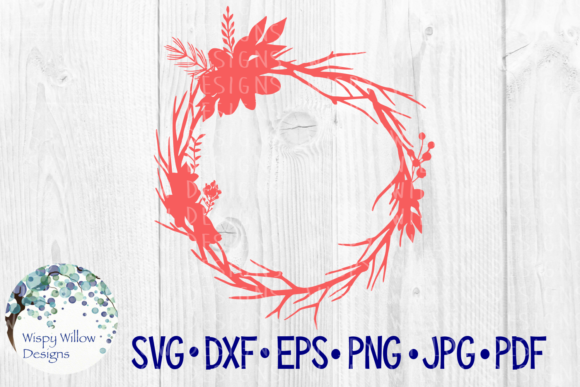
When integrating digital assets into physical crafting workflows, understanding file architecture is as critical as the aesthetic design itself. The Floral Wreath, Bird Nest, Name Monogram Frame Border Cut File is engineered to bridge the gap between complex vector artistry and machine execution. This specific digital asset is distributed in a comprehensive suite of formats to ensure interoperability across various hardware ecosystems. Users receive a package containing six distinct file types, each serving a unique function in the production pipeline.
The inclusion of an EPS file provides a scalable vector format ideal for professional graphic designers using Adobe Illustrator or CorelDRAW. This format preserves mathematical precision at any scale, making it suitable for large-format signage or high-resolution print media alongside cutting projects. For users operating within the Silhouette ecosystem, the DXF file is essential. It allows for seamless import into Silhouette Studio Basic Edition without requiring a paid upgrade, ensuring that node points remain editable for resizing or modification.
The SVG file serves as the industry standard for Cricut Design Space and other modern cutting software. Unlike raster images, SVGs retain individual layers and cut lines, allowing the machine to distinguish between score lines, cut lines, and print-then-cut boundaries. For archival purposes or direct printing without cutting, the PDF file offers a universally accessible view of the design. Additionally, the package includes a transparent background PNG file and a JPEG file. These raster formats are invaluable for creating mockups, sublimation transfers, or digital invitations where vector cutting is not required but visual consistency is paramount.
PLEASE CHECK WITH YOUR MACHINES ABILITY TO USE THESE FORMATS before beginning any project. While these files cover the vast majority of consumer and prosumer cutting plotters, firmware updates and software versions can occasionally alter compatibility. Verifying support ensures a smooth workflow from download to final substrate application.
Design Anatomy and Customization Potential
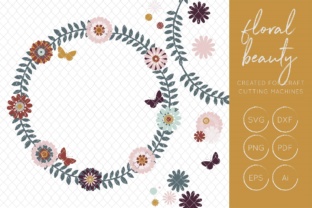
The visual composition of this cut file merges organic botanical elements with structured typography frameworks. At its core, the Floral Wreath component utilizes varying line weights and intricate details to simulate natural foliage. In a cutting context, this requires careful consideration of material integrity. Intricate floral vectors demand sharp blades and appropriate pressure settings; otherwise, delicate petals may tear during the weeding process. The design balances aesthetic complexity with structural stability, ensuring that the wreath maintains its shape even when cut from vinyl or cardstock.
Nestled within or adjacent to the botanical elements is the Bird Nest motif. This element adds textural contrast to the smooth curves of the floral wreath. From a fabrication standpoint, the bird nest often acts as a grounding element for the monogram. It provides a visual anchor that prevents the personalized text from appearing to float aimlessly within the frame. For creators using multi-layer techniques, the nest can be cut from a textured paper or wood veneer to enhance the tactile experience of the finished piece, while the wreath might be executed in adhesive vinyl for color contrast.
The Name Monogram Frame Border is designed with editability in mind. Unlike static clip art, this border typically features open nodes or designated text areas within compatible software. This allows users to input specific names, dates, or phrases without distorting the overall proportions of the wreath. The border acts as a containment field, guiding the viewer’s eye toward the central personalization. When customizing, it is vital to maintain adequate spacing between the text and the inner edge of the floral elements to prevent cutting errors or visual clutter.
Material Selection and Substrate Considerations
The versatility of the Floral Wreath, Bird Nest, Name Monogram Frame Border Cut File extends across numerous substrates, but material choice dictates the success of the intricate cuts. Permanent adhesive vinyl remains the most common medium for this design type, particularly for decals applied to glass, metal, or sealed wood. However, the density of the floral and nest details requires a premium vinyl with strong memory retention to prevent lifting over time.
For paper crafting enthusiasts, cardstock weight selection is crucial. Lightweight paper (under 65lb) may struggle to hold the fine details of the bird nest and floral leaves, leading to ragged edges. Conversely, heavyweight cardstock (80lb to 110lb) provides crisp results but requires increased blade depth and slower cutting speeds. Heat transfer vinyl (HTV) presents another opportunity, particularly for apparel or textile-based home decor. When using HTV with this design, mirroring the image before cutting is mandatory. Furthermore, because the design contains fine details, a Teflon sheet or parchment paper should be used during pressing to protect the intricate edges from scorching or flattening excessively.
Wood veneer and balsa wood offer a premium finish for this specific aesthetic. The natural grain of wood complements the organic theme of the wreath and nest. However, wood is less forgiving than vinyl or paper. Test cuts are non-negotiable when working with natural materials, as grain direction and density variations can affect cut quality. Using a knife blade rather than a fine-point blade is often necessary for wood substrates to achieve clean penetration without burning or splintering the delicate floral sections.
Software Workflow and Machine Optimization
Achieving professional results with this cut file requires more than simply loading the SVG into Cricut Design Space, Sure Cuts A Lot, Make The Cut, or Silhouette Basic and or Designer Edition. Proper workflow management ensures that the digital translation matches the physical output. Upon importing the file, users should immediately ungroup the elements to verify layer separation. Sometimes, overlapping paths in the wreath or nest may need to be welded or united to create a single continuous cut line, reducing the number of blade passes and minimizing wear on both the mat and the material.
Sizing the design requires attention to minimum viable dimensions. While vector files are infinitely scalable, physical materials have limits. Reducing the Floral Wreath, Bird Nest, Name Monogram Frame Border Cut File below three inches in diameter may result in loss of detail, especially in the bird nest texture. If small-scale applications like jewelry tags or wine charms are intended, simplifying the design by removing the smallest leaves or twigs may be necessary to ensure legibility and structural integrity.
Blade maintenance directly correlates to the quality of intricate cuts. A dull blade will drag through floral veins and nest textures rather than slicing cleanly. For detailed designs like this, many professionals recommend dedicating a specific fine-point blade solely to intricate work, keeping it separate from blades used for heavy cardstock or fabric. Additionally, utilizing a light-grip mat for vinyl or a standard-grip mat for cardstock helps prevent shifting during the multiple passes required for complex borders. Securing the material edges with painter's tape can provide extra insurance against mat slippage during long cut jobs.
Commercial Application and Product Diversification
For business owners and creators selling finished goods, this cut file serves as a foundational asset for product line expansion. The combination of floral, nest, and monogram elements resonates strongly in the wedding, nursery, and home decor markets. Wedding signage, seating charts, and favor tags utilize this design to convey rustic elegance. The monogram frame allows for rapid customization per client while maintaining a cohesive brand aesthetic across different event stationery.
In the nursery and children's market, the bird nest symbolism evokes themes of family, safety, and new beginnings. This makes the design particularly effective for birth announcement plaques, growth rulers, or personalized crib signs. Creators can differentiate their offerings by experimenting with layered materials—combining stained wood backgrounds with white vinyl overlays, or using iridescent vinyl for the wreath to add a whimsical touch. The transparent PNG and JPEG files included in the listing also enable sellers to offer digital-only products, such as printable wall art or social media templates, creating passive revenue streams without inventory overhead.
Educators and researchers studying craft economics or digital fabrication trends may observe how versatile cut files like this democratize design access. Small business owners no longer need to commission custom illustrations for every product; instead, they leverage high-quality, multi-format assets to produce professional-grade merchandise. However, ethical commercial use requires adherence to licensing terms. Understanding whether the license permits sale of physical end-products versus digital redistribution is fundamental to sustainable business practices in the maker economy.
Troubleshooting Common Fabrication Challenges
Even with optimal settings, intricate designs can present challenges. Weeding difficulties are the most frequent issue with floral and nest motifs. If small pieces are lifting with the waste vinyl, reducing peel angle and using a weeding tool with a fine tip can improve control. Applying gentle heat with a hair dryer before weeding can soften the adhesive, making removal smoother without stretching the remaining design. For paper projects where internal pieces fall out prematurely, adjusting the blade force downward or using a "kiss cut" setting ensures the backing remains intact until the crafter is ready to remove individual elements.
Alignment issues often arise when working with multi-layer versions of the Name Monogram Frame Border. Utilizing registration marks or alignment guides within cutting software helps maintain precision. Some crafters prefer to weld all layers into a single-color design to eliminate alignment concerns entirely, though this sacrifices the dimensional effect of layered materials. Another approach involves using transfer tape with grid lines or creating physical jigs to position layers accurately on the substrate before final adhesion.
File corruption or missing elements upon import usually stems from software version mismatches or improper unzipping procedures. Always extract files to a local drive rather than opening directly from cloud storage or zip archives. If the SVG appears blank or fragmented in Cricut Design Space, trying the DXF or EPS alternative often resolves rendering issues. Maintaining organized digital asset libraries with clear naming conventions prevents confusion between similar designs and ensures that the correct file version is selected for each specific machine and material combination.