Evaluating the Massachusetts MA Floral Mandala State Cut File for Creative Projects
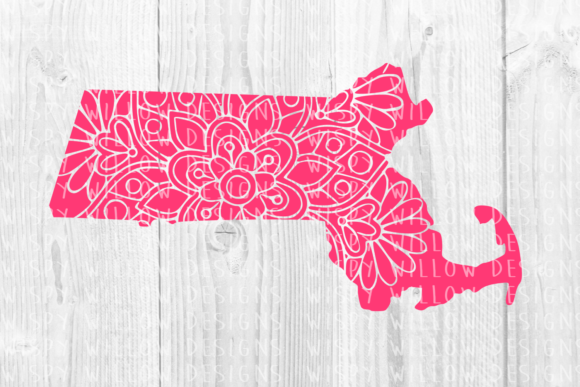
Selecting digital assets for crafting and design requires balancing aesthetic appeal with technical compatibility. The Massachusetts MA Floral Mandala State Cut File represents a specific niche within digital design, merging regional symbolism with intricate decorative art. Unlike generic state outlines or standard mandala patterns, this hybrid design serves dual purposes: it functions as both a geographic identifier and an ornamental element. For creators aged 20 to 50 who manage diverse projects ranging from personalized apparel to home décor, understanding the specific utility of this file type is essential for efficient workflow and high-quality output.
This digital resource typically includes a comprehensive suite of formats: one EPS file, one DXF file, one SVG file, one PDF file, one PNG file with a transparent background, and one JPEG file. This multi-format inclusion addresses the fragmentation often found in the maker community, where users frequently switch between vinyl cutters, laser engravers, sublimation printers, and traditional graphic design software. Evaluating whether this specific asset fits your current needs involves looking beyond the visual preview and assessing how these six distinct file types integrate into your existing production pipeline.
Distinguishing Features Against Standard State Silhouettes
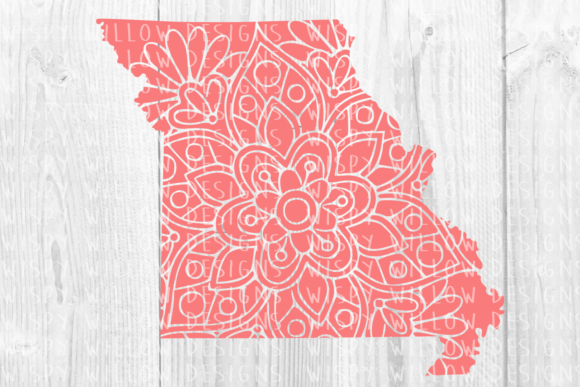
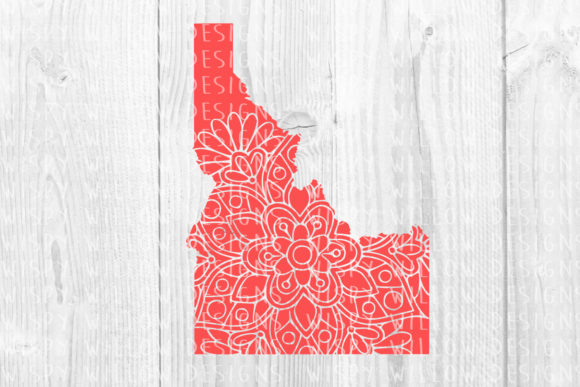
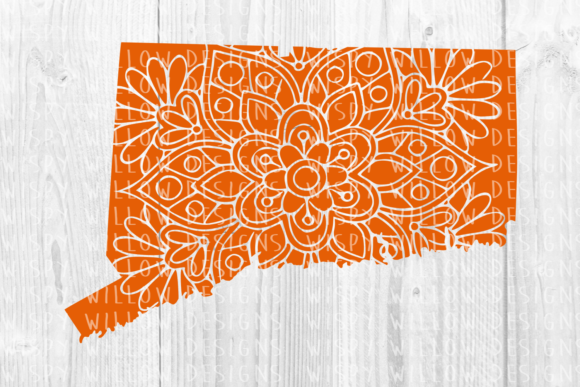
When comparing the Massachusetts MA Floral Mandala State Cut File to traditional state silhouettes, the primary difference lies in complexity and application. A standard silhouette offers immediate recognition and cuts quickly on entry-level machines, making it ideal for simple decals or minimalist signage. However, silhouettes often lack the textural depth required for premium merchandise or detailed artistic prints. The floral mandala variation introduces negative space and internal line work that transforms a flat shape into a textured composition.
This added complexity creates distinct tradeoffs. While the mandala style offers superior visual interest for items like embroidered patches, etched glassware, or layered paper art, it demands higher precision from your equipment. Users must evaluate their machine’s capability to handle intricate weeding or fine laser passes. If your project prioritizes speed and bold visibility from a distance, a solid silhouette remains the better choice. Conversely, if the goal is to create a piece that invites closer inspection or conveys a sense of artisanal craftsmanship, the Massachusetts MA Floral Mandala State Cut File provides a necessary level of detail that simple outlines cannot achieve.
Technical Compatibility Across Six File Formats
The value of this listing is heavily dependent on format versatility. Understanding the specific role of each included file helps prevent workflow bottlenecks:
- SVG (Scalable Vector Graphics): This is the industry standard for electronic cutting machines like Cricut and Silhouette. It retains editability, allowing you to ungroup elements, change colors, or resize without quality loss. It is the primary format for vinyl and cardstock projects.
- DXF (Drawing Exchange Format): Essential for users of older Silhouette Studio Basic Edition or specialized CAD/CAM software. DXF files are strictly line-based and may require reassembly of layers, but they ensure compatibility for those without premium software subscriptions.
- EPS (Encapsulated PostScript): The preferred vector format for professional designers using Adobe Illustrator, CorelDRAW, or Inkscape. EPS preserves complex curve data better than SVG in some professional print environments and is ideal for large-format printing or commercial signage.
- PDF (Portable Document Format): Serves as a universal reference and is useful for direct printing on paper media. It maintains vector sharpness for documents but is generally not used for cutting unless imported into specific RIP software.
- PNG (Transparent Background): Critical for sublimation, digital mockups, and web use. Unlike vectors, this raster image has a fixed resolution. It allows for placement over colored backgrounds without manual masking, saving significant time in print-on-demand workflows.
- JPEG: Best suited for social media sharing, portfolio displays, or low-resolution proofs. It lacks transparency and compresses image data, making it unsuitable for production but valuable for marketing and client approval stages.
Assessing Production Tradeoffs and Equipment Requirements
Choosing the Massachusetts MA Floral Mandala State Cut File over simpler alternatives necessitates an honest assessment of your production environment. Intricate mandala designs test the limits of both hardware and materials. When working with adhesive vinyl, the extensive internal cuts increase weeding time exponentially compared to a solid shape. For makers selling finished goods, this labor cost must be factored into pricing. Heat transfer vinyl (HTV) presents additional challenges; excessive cutting can weaken the carrier sheet, leading to alignment issues during pressing.
Laser cutter users face different considerations. The floral mandala design excels in this medium, as lasers handle internal geometry faster than blade cutters. However, the density of the pattern increases burn time and requires careful power/speed tuning to avoid charring on lighter woods or acrylics. Sublimation users will find the PNG format particularly advantageous here, as the intricate details translate beautifully onto polyester substrates without the physical limitations of cutting blades. Ultimately, the decision to use this file should align with your willingness to manage longer production times in exchange for higher perceived value.
Material Selection and Design Integrity
Not all materials support the fine lines inherent in a floral mandala state design. When evaluating this asset, consider your primary substrate. Smooth surfaces like glass, metal, or glossy vinyl showcase the delicate intersections of the mandala effectively. Textured materials, such as rough-sawn wood or canvas, may cause small details to disappear or bleed visually.
For paper crafting, cardstock weight matters significantly. Lightweight paper may tear during the removal of intricate mandala centers, while heavy cardstock might require multiple passes that compromise edge crispness. Comparatively, a solid state outline is forgiving across almost all material types. The Massachusetts MA Floral Mandala State Cut File is best reserved for premium materials where the detail justifies the risk of waste. Testing on scrap material before committing to final production is always recommended when transitioning from simple silhouettes to complex mandala hybrids.
Decision Factors: When This Asset Is the Right Fit
Determining whether to acquire this specific cut file depends on your target audience and project scope. This design resonates strongly with demographics seeking localized pride combined with feminine or bohemian aesthetics. It is particularly effective for:
- Regional Merchandise: T-shirts, tote bags, and tumblers targeting Massachusetts residents who prefer stylized graphics over athletic or collegiate branding.
- Wedding and Event Stationery: Invitations or favors for events held in Massachusetts, where the mandala adds elegance to the geographic theme.
- Home Décor: Wall art, wooden signs, or window clings that serve as conversation pieces rather than mere labels.
- Digital Content Creation: Blog headers, social media overlays, or digital planner stickers requiring high-resolution regional imagery.
Conversely, this file may not be the optimal choice for corporate branding requiring strict minimalism, safety signage needing instant readability, or bulk promotional items where unit cost and speed are paramount. In those scenarios, simpler geometric representations of the state offer better functional performance. The Massachusetts MA Floral Mandala State Cut File occupies a middle ground between pure utility and pure art, making it a strategic choice for creators who value aesthetic nuance alongside geographic relevance.
Evaluating Long-Term Utility and Licensing
Beyond immediate project needs, consider the long-term versatility of owning a complete file set. Having access to EPS and SVG vectors ensures the design remains usable as technology evolves; vector files can be scaled indefinitely for future large-format applications without repurchasing. The inclusion of a transparent PNG future-proofs the asset for digital platforms that increasingly demand high-quality raster overlays.
When comparing this bundled approach to single-format downloads, the initial investment often yields better returns for active makers. Single-format files frequently lead to additional purchases or conversion frustrations later. However, verify licensing terms carefully. Some cut files permit personal use only, while others allow commercial sale of physical products but prohibit digital redistribution. Ensuring the license aligns with your business model is as critical as evaluating the design itself. A well-chosen digital asset should reduce friction, not create legal or technical obstacles.
Making an informed decision about the Massachusetts MA Floral Mandala State Cut File requires weighing its decorative complexity against practical production realities. By understanding the distinct roles of the six included formats and honestly assessing your equipment's capabilities, you can determine if this hybrid design enhances your creative offerings or if a simpler alternative better serves your current objectives. The right choice ultimately supports both your artistic vision and your operational efficiency.