Rooster Chicken Floral Mandala Design Guide
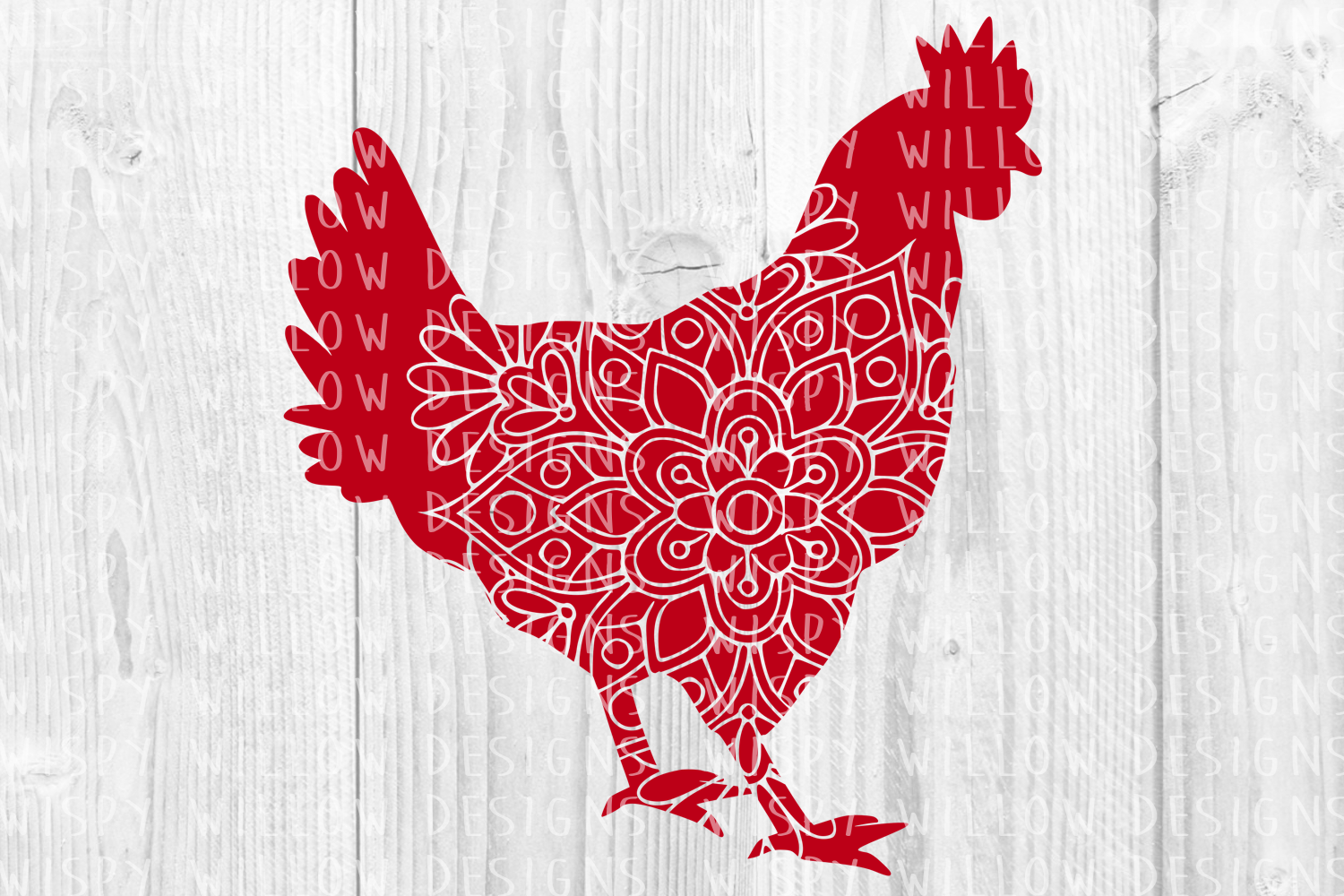
Few motifs capture the intersection of rustic charm and intricate artistry quite like the Rooster Chicken Floral Mandala Animal design. This isn't merely a clipart graphic; it is a sophisticated fusion of folk art traditions and modern vector precision. The visual character of this piece lies in its duality. On one hand, you have the bold, recognizable silhouette of the rooster, a universal symbol of awakening, rural life, and vitality. On the other, the body and surrounding space are filled with delicate floral mandala patterns that soften the masculine energy of the bird with organic, rhythmic symmetry. For designers and crafters, this specific aesthetic bridges the gap between farmhouse nostalgia and contemporary bohemian style, making it an incredibly versatile asset for projects requiring both personality and polish.
The appeal of this design extends beyond its surface beauty. It solves a common problem in thematic design: how to make traditional subjects feel fresh and relevant. By integrating the mandala structure directly into the animal form, the artwork achieves a level of detail that invites closer inspection. This makes it particularly effective for physical products where texture and line work matter, such as laser-cut wood, embroidered textiles, or high-resolution print materials. Whether you are a small business owner creating seasonal packaging or a content creator designing social media overlays, this graphic offers a distinct visual anchor that communicates warmth and craftsmanship without feeling dated.
Maximizing Versatility Across Formats and Mediums
When you acquire this design, receiving it in SVG, Transparent PNG, EPS, DXF, PNG, and JPG formats is not just a convenience—it is a workflow necessity. Understanding when to deploy each file type is crucial for maintaining professional quality across different applications. The SVG (Scalable Vector Graphics) and EPS files are your primary assets for branding and print production. Because they are vector-based, these files allow you to scale the rooster from a tiny lapel pin to a massive storefront banner without losing a single crisp edge. For logo design or brand identity systems involving farm-to-table businesses, poultry farms, or artisanal food brands, the EPS format ensures compatibility with industry-standard software like Adobe Illustrator or CorelDRAW, allowing for color adjustments and path editing to match specific brand guidelines.
Conversely, the DXF format serves a specialized but vital role for makers and manufacturers. If you are using CNC routers, laser cutters, or vinyl plotters, DXF provides the clean line data required for fabrication. The intricate floral details within the mandala can sometimes cause issues if paths are not properly closed or optimized; having a dedicated DXF file means the geometry has likely been prepared specifically for machine cutting, saving hours of troubleshooting. For digital marketers and web designers, the Transparent PNG is the workhorse. It allows you to layer the rooster over colored backgrounds, product photography, or video content without the hassle of masking out white boxes. Meanwhile, standard JPGs serve as quick-reference thumbnails or low-res placeholders for client mockups before final production files are approved.
Strategic Applications in Branding and Editorial Design
Incorporating the Rooster Chicken Floral Mandala Animal into commercial projects requires thoughtful placement to maintain visual hierarchy. In packaging design, this illustration functions exceptionally well as a central focal point on labels for eggs, honey, coffee, or baked goods. The complexity of the mandala pattern suggests premium quality and attention to detail, subtly signaling to consumers that the product inside is artisanal rather than mass-produced. However, because the design is visually dense, it demands adequate negative space. Crowding this graphic against heavy text or competing borders will diminish its impact. Let the artwork breathe to ensure the intricate linework remains legible at smaller sizes.
For editorial design and publishing, this motif works beautifully as a chapter opener, a watermark, or a decorative header in cookbooks, gardening magazines, or lifestyle blogs. When paired with appropriate typography, it sets an immediate tone. Consider pairing this illustrative element with a clean sans serif font for body text to create a modern contrast, or use a textured serif font for headlines to reinforce the heritage aesthetic. Avoid highly ornate script fonts directly adjacent to the mandala, as the competing complexities can reduce readability and create visual noise. The goal is balance; the rooster should complement the typographic hierarchy, not fight against it.
Evaluating Fit and Commercial Viability
Before integrating this design into a new project, conduct a practical fit assessment. Ask yourself if the level of ornamentation aligns with your target audience’s expectations. While the floral mandala style is trending in boho and cottagecore niches, it may be too elaborate for ultra-minimalist tech brands or corporate financial services. Test the design in grayscale first. If the rooster loses its definition or the mandala pattern turns into a muddy blob when converted to black and white, it may not be suitable for single-color applications like embossing or simple screen printing. A strong design must hold its structural integrity regardless of color treatment.
Licensing is another critical consideration for entrepreneurs and publishers. Always verify the specific commercial license terms associated with your download. Some licenses permit unlimited physical product sales but restrict digital redistribution or template creation. If you plan to use the Rooster Chicken Floral Mandala Animal in a logo, confirm whether trademark registration is permitted, as many stock illustration licenses prohibit trademarking unmodified assets. You may need to significantly alter the design or combine it with original typography to create a protectable brand mark. Respecting these legal boundaries protects your business from future disputes and supports the artists who create these valuable design assets.
Enhancing Engagement Through Visual Storytelling
Beyond aesthetics, this design carries narrative weight that can boost audience engagement. In social media graphics, storytelling elements perform better than generic imagery. The rooster symbolizes new beginnings, confidence, and honesty across various cultures. Leveraging this symbolism in captions or campaign themes adds depth to your visual content. For example, a wellness brand might use the image to represent "waking up" to better habits, while a sustainable fashion label could use it to highlight ethical sourcing and transparency. The emotional resonance of the animal combined with the meditative quality of the mandala creates a dual hook that captures attention longer than standard photography.
Finally, consider the technical execution when applying this to merchandise. For apparel, the intricate lines of the floral mandala may require specific printing techniques. Direct-to-garment (DTG) handles fine detail well, whereas traditional screen printing might require simplifying the design to avoid ink bleeding on fabric textures. For embroidery, the density of the mandala may need to be adjusted to prevent puckering. Always request or create a stitch-out test before committing to large production runs. By treating the Rooster Chicken Floral Mandala Animal as a dynamic component of your creative toolkit rather than a static decoration, you unlock its full potential to elevate brand perception, enhance product value, and connect authentically with your audience.