Evaluating the Llama Floral Mandala Animal Design: Formats, Applications, and Creative Fit
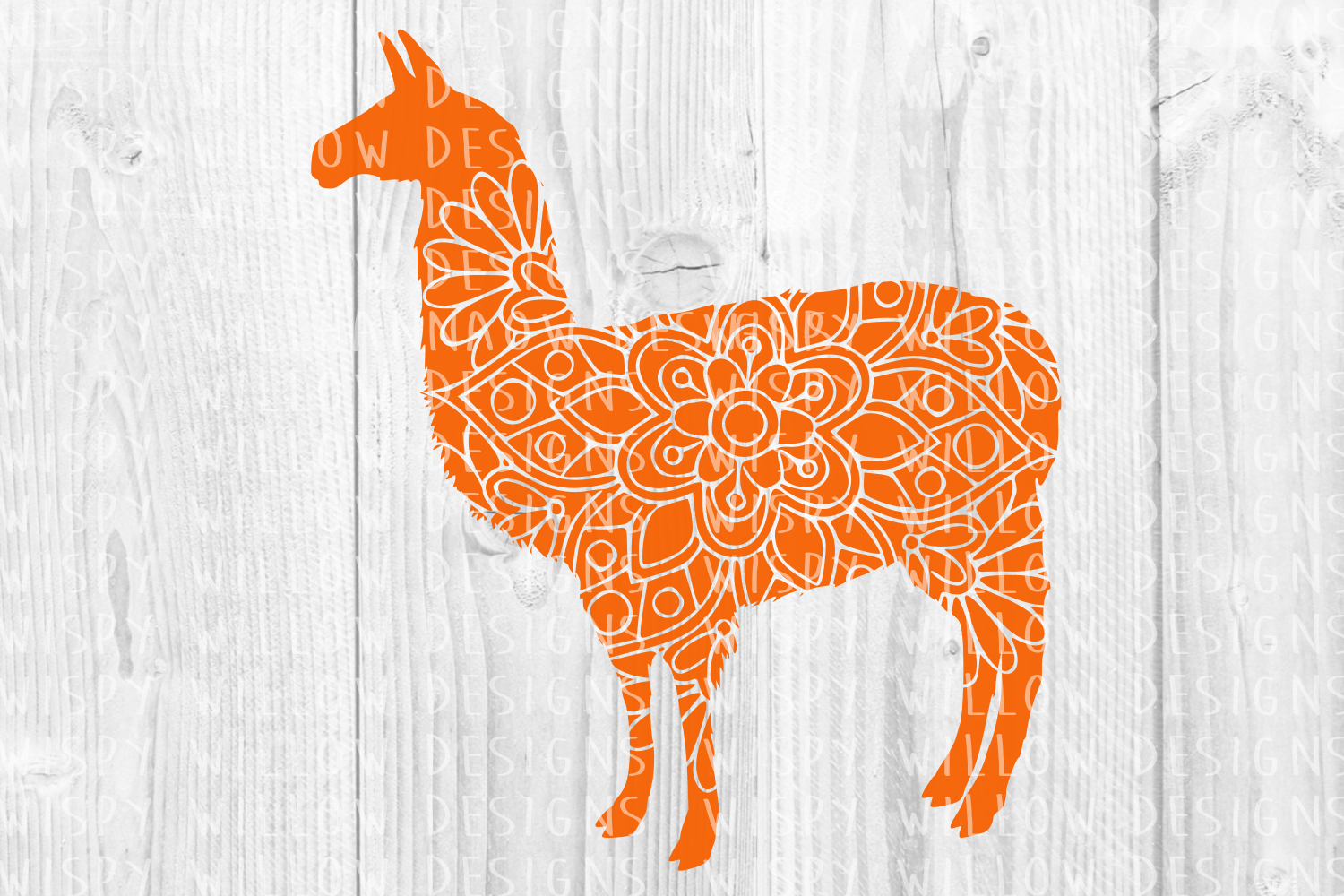
The intersection of zoological illustration and sacred geometry has created a distinct niche in digital design, with the Llama Floral Mandala Animal emerging as a prominent example of this hybrid aesthetic. This specific design category combines the recognizable silhouette or detailed portraiture of a llama with intricate, repetitive floral patterns arranged in a mandala structure. For creators, crafters, and small business owners evaluating digital assets, understanding the nuances of this design goes beyond simple visual appeal. It requires an assessment of technical versatility, stylistic alignment, and practical application across various media.
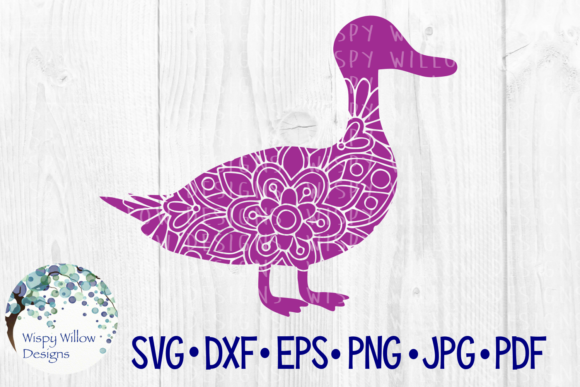
When sourcing a Llama Floral Mandala Animal design, the value proposition lies heavily in the file formats provided. A comprehensive package typically includes SVG, Transparent PNG, EPS, DXF, PNG, and JPG files. Each format serves a distinct purpose in the production workflow, and the decision to utilize this specific design often hinges on whether these formats align with your intended output. Unlike generic clip art, this design style demands high-fidelity vector data to maintain the integrity of the mandala’s fine lines during resizing, making the inclusion of scalable formats like SVG and EPS non-negotiable for professional results.
Distinguishing Characteristics and Stylistic Positioning
To determine if a Llama Floral Mandala Animal is the correct asset for your project, it is helpful to understand how it differs from adjacent design categories. Standard animal illustrations tend to focus on anatomical realism or cartoonish simplification. Conversely, traditional mandalas are purely abstract and geometric. The floral mandala animal occupies a middle ground that appeals to specific demographics, particularly those interested in bohemian aesthetics, mindfulness culture, and nature-inspired decor.
The primary distinction of this design is its dual function as both a representational figure and a decorative pattern. When compared to standalone floral vectors, the llama element provides a focal point and narrative context that pure patterns lack. However, when compared to realistic wildlife art, the mandala integration introduces a level of stylization that may not suit educational or scientific contexts. Evaluators should consider this tradeoff: you gain decorative versatility and emotional resonance at the cost of biological accuracy. This makes the design exceptionally strong for lifestyle branding, textile printing, and personalized gifts, but potentially less effective for zoological education or formal corporate identity.
Technical Evaluation of Included File Formats
The utility of a Llama Floral Mandala Animal asset is defined by the technical specifications of its deliverables. Understanding the specific role of each included format prevents workflow bottlenecks and ensures quality across different platforms.
- SVG (Scalable Vector Graphics): This is the industry standard for digital cutting machines and web use. For a mandala design, which relies on precise line work, the SVG allows for infinite scaling without pixelation. It is editable in software like Adobe Illustrator or Inkscape, allowing users to separate the floral elements from the llama outline for color customization.
- EPS (Encapsulated PostScript): While similar to SVG, EPS is preferred for professional print environments and legacy vector software compatibility. If you are sending the Llama Floral Mandala Animal to a commercial screen printer or embroiderer, they will likely request this format due to its robust color separation capabilities.
- DXF (Drawing Exchange Format): Specifically engineered for CAD and laser cutting applications. Not all mandala designs include DXF, but its presence here signals suitability for wood burning, acrylic cutting, and metalwork. Users must verify that the DXF nodes are optimized; complex mandalas can sometimes cause laser cutters to stutter if the file is not properly simplified.
- Transparent PNG: Essential for digital mockups, sublimation printing, and overlaying onto colored backgrounds. Unlike standard JPGs, the transparency preserves the negative space within the mandala, which is critical for maintaining the design's airy, intricate appearance on dark fabrics or textured surfaces.
- JPG and Standard PNG: These raster formats serve as reference files or quick-use assets for social media and low-resolution proofs. They are generally unsuitable for final production of mandala art due to compression artifacts that degrade fine floral details.
Comparative Analysis: Mandala Animals vs. Alternative Styles
When researching design options, buyers often weigh the Llama Floral Mandala Animal against other trending aesthetics. Making an informed choice requires analyzing the strengths and limitations of this style relative to alternatives.
Versus Minimalist Line Art: Minimalist llama outlines offer a modern, clean look that fits contemporary interiors and subtle branding. However, they lack the visual density required for certain applications like adult coloring books or statement wall art. The floral mandala variant provides significantly more visual weight and engagement, making it superior for products where detail equates to perceived value. The tradeoff is complexity; minimalist art is faster to cut, print, and edit, whereas mandala designs require more processing time and higher-quality materials to render correctly.
Versus Watercolor Botanicals: Watercolor styles offer organic softness that complements the llama theme. Yet, watercolor raster images cannot be easily resized or recolored without quality loss. The vector-based Llama Floral Mandala Animal offers superior adaptability. You can change the flower colors to match seasonal palettes or brand guidelines instantly, a flexibility that painted botanicals cannot provide. However, if the goal is a rustic, hand-painted authenticity, the mathematical precision of a mandala may feel too structured or digital.
Versus Geometric Low-Poly Art: Low-poly animals share the geometric DNA of mandalas but present a faceted, modernist interpretation. Low-poly is often associated with tech and gaming cultures. The floral mandala approach retains geometry but softens it with organic curves, broadening its appeal to audiences who find strict polygon art too cold. For sellers targeting the wellness, yoga, or nursery markets, the floral mandala is typically the safer, more resonant choice.
Decision Factors for Production and Application
Selecting this design should be driven by specific production constraints and end-use scenarios. The intricate nature of floral mandalas imposes physical limitations that do not apply to simpler graphics.
Material Compatibility: The Llama Floral Mandala Animal excels on smooth, high-contrast surfaces. Vinyl decals, laser-engraved wood, and white ceramic mugs allow the fine lines to remain distinct. On textured fabrics or low-resolution screens, the floral details may merge into visual noise. If your primary application involves rough canvas or coarse knitwear, a bolder, less detailed alternative may perform better.
Scale Considerations: Mandala designs have a minimum viable size. Reducing the design below a certain threshold causes the floral petals and internal lines to become indistinguishable. Before committing to this asset for small-scale applications like jewelry tags or pen engraving, test the minimum legible size. Conversely, the design scales up beautifully for large-format wall murals or window clings, where the complexity becomes an immersive feature rather than a clutter issue.
Customization Potential: One of the strongest arguments for choosing this specific design type is modularity. Because the floral elements are often constructed as separate layers within the SVG or EPS, experienced designers can swap flowers, adjust density, or isolate the llama silhouette. This makes the asset a foundational template rather than a static image. If you require a unique variation without commissioning custom art from scratch, this design offers a high return on investment through modification.
Assessing Suitability for Commercial and Personal Use
The decision to integrate a Llama Floral Mandala Animal into your resource library also depends on licensing and market saturation. This aesthetic has seen significant popularity in the maker community over the last decade. For commercial users, this means the design is proven and searchable, but also potentially saturated.
To differentiate, evaluators should look for unique compositions within the genre. Does this specific design use native Andean flora appropriate to the llama’s origin, or generic roses? Designs that incorporate culturally or botanically accurate elements often stand out against generic alternatives. Furthermore, check the line weight consistency. High-quality mandala animals maintain uniform stroke widths that translate cleanly to embroidery digitizing and vinyl cutting. Inconsistent lines suggest auto-traced raster origins, which frequently result in jagged edges and production failures.
For personal users and hobbyists, the primary evaluation metric should be skill alignment. Intricate mandalas require patience and precision equipment. Beginners using entry-level cutting machines may find the weeding process (removing excess vinyl) frustratingly difficult with dense floral patterns. In such cases, starting with a simplified version of the Llama Floral Mandala Animal or choosing a design with wider spacing between elements can prevent material waste and discouragement.
Final Considerations for Resource Selection
Ultimately, the Llama Floral Mandala Animal represents a versatile, technically demanding, and aesthetically specific asset class. It is the right choice when the project demands a blend of natural warmth and structured elegance, and when the production method supports fine detail. It is less suitable for projects requiring photographic realism, extreme minimalism, or low-resolution outputs.
By verifying the integrity of the SVG, EPS, and DXF files, and honestly assessing the compatibility of the mandala style with your target medium, you can ensure this design serves as a valuable addition to your creative toolkit. Whether used for sublimation apparel, laser-cut home decor, or digital branding, success depends on matching the design’s inherent characteristics with the practical realities of your execution environment. Careful evaluation of these factors transforms a simple digital download into a reliable component of your broader creative strategy.