Integrating a Floral Illustration Bundle into Professional Creative Workflows
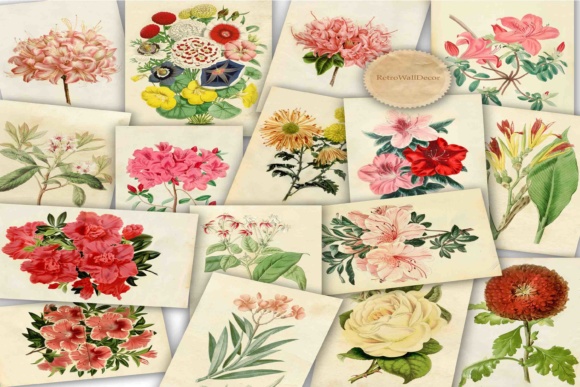
For designers, marketers, and content creators, sourcing high-quality visual assets is often the most time-consuming phase of a project. A dedicated Floral Illustration Bundle serves as more than just a collection of pretty pictures; it functions as a foundational design system that accelerates production while maintaining aesthetic consistency. When working with a set of 17 high-quality, 300 DPI JPEG files sized at 3600x3600 pixels, the focus shifts from searching for individual elements to strategic composition and layout execution. This specific configuration allows professionals to bridge the gap between digital graphic design and physical print products without compromising on resolution or detail.
The utility of a comprehensive flower illustration library extends across multiple stages of the creative lifecycle. Whether you are in the initial mood-boarding phase, deep in the production of marketing collateral, or finalizing home decor products, having a cohesive set of floral images ensures that your output remains visually unified. Unlike disparate stock photos sourced from various artists, a bundled collection shares a consistent color palette, brush style, and lighting treatment. This inherent consistency reduces the post-processing time required to color-grade or retouch images to make them match, allowing you to move directly to layout and typography.
Technical Specifications and Workflow Compatibility
Understanding the technical parameters of your assets is critical for efficient file management and output quality. The 3600x3600 pixel dimension at 300 DPI is a versatile standard that supports both large-format printing and high-resolution digital displays. At this resolution, each file can be printed crisply at 12x12 inches, making them ideal for square posters, album covers, or social media templates. For an 8x12 aspect ratio project, these square files provide ample bleed area and cropping flexibility, ensuring that vital details of the roses painting or botanical elements are never lost during resizing.
Because these assets are delivered as JPEGs, they offer immediate compatibility with virtually every design platform, from Adobe Photoshop and Illustrator to Canva, Procreate, and Affinity Designer. While JPEGs do not support transparency natively like PNGs, their smaller file size compared to TIFFs makes them easier to store, share, and load within complex documents. In a professional workflow, this format encourages a non-destructive editing approach. Users can utilize masking tools within their software to isolate specific blooms or arrange multiple floral illustrations into custom composite backgrounds without bloating the project file size.
Pre-Project Planning and Asset Organization
Before opening your design software, integrating the Floral Illustration Bundle into your asset management system prevents bottlenecks later. Create a standardized folder structure that categorizes the 17 files by dominant color, flower type, or composition density. Tagging these files in your operating system or digital asset manager (DAM) with keywords like "vintage rose," "botanical background," or "scrapbooking element" allows for instant retrieval when deadlines are tight.
During the planning phase, use these floral images to establish the visual tone of the project. For entrepreneurs launching a spring product line or educators designing curriculum materials, laying out several illustrations side-by-side helps determine which pieces serve as focal points versus supporting textures. This assessment informs decisions regarding typography pairing and negative space allocation. By treating the bundle as a modular kit rather than static art, you can quickly prototype multiple variations of a poster wall decor concept or greeting card layout before committing to final production.
Applications in Digital Design and Print Media
The versatility of floral illustration lies in its ability to adapt to diverse mediums. In digital marketing, these high-resolution images serve as engaging backgrounds for social media quotes, blog headers, or email newsletter banners. The intricate details of a roses painting add organic texture to otherwise flat digital interfaces, increasing viewer retention and emotional connection. Because the files are 300 DPI, they also double as master files for print-on-demand services. Creators can upload the same asset used for an Instagram post to produce matching physical merchandise, ensuring brand cohesion across touchpoints.
For scrapbooking and card design enthusiasts, the 3600x3600 px dimensions provide significant creative freedom. You can zoom in to capture macro details of petals for subtle textures or use the full image as a statement piece. When designing cards, consider using the floral illustrations as die-cut guides. Printing the illustration on cardstock and cutting along the natural contours of the flower creates custom embellishments that coordinate perfectly with your paper crafts. This practical application transforms a digital file into a tangible component of mixed-media art.
Enhancing Home Decor and Wall Art
In the realm of floral home decor, quality control is paramount. When creating poster wall decor, the viewing distance dictates how the image is utilized. For large-scale prints intended to be viewed from afar, the bold shapes and colors of the floral illustration bundle create immediate visual impact. For smaller frames placed on desks or shelves, the fine details of the brushwork become the primary point of interest. The 8x12 suitability of these files aligns with standard frame sizes, reducing the need for custom framing and making it easier to curate gallery walls with uniform spacing and sizing.
Professionals staging homes or designing interior visuals can also leverage these illustrations to create bespoke artwork that complements specific room palettes. Rather than relying on generic mass-produced prints, selecting specific pieces from the bundle allows for curated environments that feel intentional and personalized. This level of customization is particularly valuable for real estate marketers, interior designers, and Airbnb hosts looking to elevate the perceived value of a space through thoughtful decor choices.
Optimizing Efficiency and Long-Term Value
To maximize the return on investment for a Floral Illustration Bundle, adopt a mindset of repurposing and iteration. A single high-quality flower illustration can be cropped, rotated, color-shifted, and layered to create dozens of unique assets. Documenting these modifications in a style guide or asset library ensures that future projects maintain continuity without requiring new purchases. For freelancers and agencies, building a proprietary library of modified floral elements derived from the original bundle creates a distinct visual signature that differentiates your work from competitors using the same base assets.
Efficiency also comes from understanding file limitations and strengths. Since these are raster JPEGs, avoid scaling them up beyond 100% to prevent pixelation. Instead, scale down as needed. If a project requires vector scalability, use these illustrations as reference tracing guides or texture overlays on top of vector shapes. This hybrid workflow combines the organic warmth of hand-painted florals with the infinite scalability of vector graphics, offering the best of both worlds for branding projects that must appear on everything from business cards to billboards.
Quality Control and Output Verification
Regardless of the end use, always verify color profiles before finalizing any project utilizing these floral images. JPEGs are typically saved in RGB for screen use, but printing requires CMYK conversion. Soft-proofing your designs using the intended printer’s ICC profile helps anticipate color shifts, particularly in vibrant reds and greens common in roses paintings. For scrapbookers printing at home, running test strips ensures that ink saturation matches the screen preview. For commercial printers, confirming bleed requirements and safe zones relative to the 3600x3600 px canvas prevents costly reprinting errors.
Consistency in lighting and shadow direction is another quality checkpoint when combining multiple illustrations from the bundle. Even within a cohesive set, individual flowers may have been painted with slightly different light sources. When compositing a new scene, adjust levels and curves to unify the lighting environment. This attention to detail separates professional-grade design from amateur collage work. By systematically addressing these technical considerations, the Floral Illustration Bundle becomes a reliable engine for producing polished, market-ready creative work efficiently.
Ultimately, the value of this collection is defined by how seamlessly it integrates into your existing processes. It eliminates the friction of asset hunting and provides a stable visual foundation upon which creativity can flourish. Whether you are designing a wedding invitation suite, refreshing a website’s seasonal theme, or curating a line of printable wall art, these 17 high-resolution files offer the flexibility and quality necessary to execute professional results. By approaching the bundle as a strategic tool rather than mere decoration, creators can streamline their workflows, maintain brand integrity, and deliver exceptional visual experiences across every medium.