Orca Mandala, Killer Whale, Floral, Ocean, Sea, Summer, Beach, Cut File: A Practical Guide for Creators
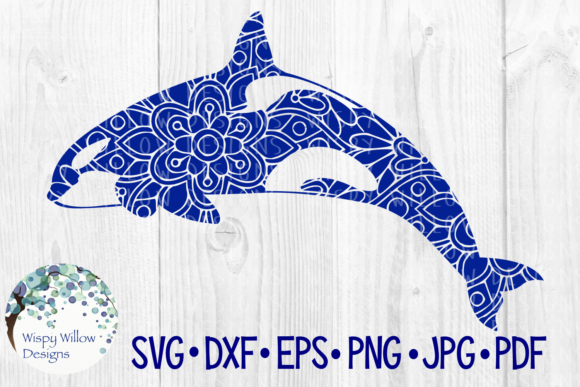
The intersection of marine life and intricate geometry offers a unique aesthetic that stands out in the crowded marketplace of digital designs. An Orca Mandala, Killer Whale, Floral, Ocean, Sea, Summer, Beach, Cut File is more than just a seasonal graphic; it is a versatile design element that bridges the gap between bold wildlife art and delicate botanical patterns. Crafters, small business owners, and hobbyists often seek this specific combination because it captures the essence of coastal living while providing the structural balance necessary for professional-grade merchandise. Whether you are creating vinyl decals for water bottles, screen-printed beach tote bags, or laser-engraved wooden signs, understanding the technical nuances of this file type is essential for achieving high-quality results.
However, enthusiasm for a beautiful concept can sometimes lead to overlooked technical details. Many creators download files based solely on the preview image, only to encounter frustration during the production phase. The difference between a seamless project and a wasted afternoon often lies in understanding vector integrity, file compatibility, and material suitability. By addressing common pitfalls before you begin cutting or printing, you can ensure your ocean-inspired creations meet professional standards.
Understanding Vector Integrity and Node Management
One of the most frequent misunderstandings involves assuming that any file labeled as an SVG or EPS is automatically optimized for cutting machines like Cricut, Silhouette, or Glowforge. While the listing includes both 1 – EPS file and 1 – DXF file, not all vectors are created equal. A mandala design featuring an orca intertwined with floral elements contains hundreds, sometimes thousands, of anchor points. If these nodes are excessive or poorly placed, your cutting machine may stutter, pause, or create jagged edges on intricate petals and fin details.
Before sending the design to your software, open the 1 – SVG file in a vector editor like Adobe Illustrator, Inkscape, or Affinity Designer. Check for overlapping paths and stray nodes. A common mistake is failing to weld or unite intersecting shapes. If the killer whale silhouette overlaps with floral vines but remains separate layers, your machine will cut the outline twice, potentially ruining adhesive vinyl or cardstock. Taking two minutes to simplify paths and merge layers can save significant material costs and prevent blade wear. For beginners using free software, ensure the SVG imports as editable paths rather than a flattened raster image embedded within a vector container.
Selecting the Correct Format for Your Specific Machine
Creators often default to the first file format they recognize, which can lead to compatibility headaches. Each format included in this bundle serves a distinct purpose, and choosing incorrectly affects workflow efficiency.
- DXF Files: Essential for users of the free version of Silhouette Studio. Unlike SVGs, DXFs import without size distortion in the basic edition. However, complex mandalas can sometimes lose fill colors upon import, appearing as outlines only. Always verify layer settings after opening.
- EPS Files: The industry standard for professional print shops and advanced vector editing. Use this if you plan to modify the orca’s proportions or recolor the floral elements extensively before cutting.
- PNG and JPEG Files: The 1 – PNG file transparent background is ideal for sublimation or direct-to-garment printing where cutting lines aren't needed. The 1 – JPEG file works best for mockups or web listings. Never attempt to auto-trace a JPEG for precision cutting unless absolutely necessary; the resulting node count will be unmanageable.
- PDF Files: Often overlooked, the 1 – PDF file is excellent for verifying scale and visual accuracy before committing to a cut. It also serves as a reliable backup if other formats become corrupted.
Misunderstanding these distinctions leads to wasted time converting files or dealing with unexpected sizing issues. Always match the file type to your hardware and software ecosystem rather than forcing a universal solution.
Material Considerations for Intricate Marine Designs
The complexity of an Orca Mandala, Killer Whale, Floral, Ocean, Sea, Summer, Beach, Cut File demands careful material selection. A design that looks stunning on screen may fail physically if the substrate cannot hold fine details. Beginners often make the mistake of using standard craft vinyl for highly detailed mandalas. When weeding tiny floral accents inside the orca’s body structure, standard vinyl tends to tear or lift unintentionally.
For intricate marine designs, opt for premium cast vinyl or specialized stencil vinyl with lower tack adhesives. These materials release more cleanly during the weeding process. If you are working with heat transfer vinyl (HTV) for summer apparel, consider the fabric's texture. Rough canvas beach bags require thicker HTV to bridge the weave gaps, whereas smooth performance tees allow for finer detail. Testing a small section of the mandala on your chosen material is always a smarter investment than risking an entire garment. Additionally, remember that dark backgrounds enhance the contrast of white or metallic orca designs, while light backgrounds better showcase colorful floral integrations.
Evaluating Licensing and Commercial Viability
For entrepreneurs and small business owners, the artistic appeal must align with legal usage rights. A common oversight is assuming that purchasing a cut file grants unlimited commercial freedom. Before listing products featuring this ocean-themed design, carefully review the license terms associated with the download. Some licenses permit physical product sales but prohibit digital redistribution or mass manufacturing.
Beyond legality, consider market saturation. Because "summer" and "beach" are high-volume search terms, generic applications of this design may get lost. To stand out, customize the provided files. Change the color palette from traditional black-and-white to sunset gradients or navy blues to target niche aesthetics. Modify the floral elements to match regional flora if you are selling at local coastal markets. Using the editable 1 – EPS file or 1 – SVG file to create unique variations prevents your products from looking identical to competitors using the same base asset. This customization adds value and demonstrates E-E-A-T (Experience, Expertise, Authoritativeness, and Trustworthiness) by showing you understand your specific customer base rather than relying on stock defaults.
Technical Checklist Before Production
To maximize satisfaction and minimize errors, run through this practical evaluation before starting your project:
- Verify Dimensions: Ensure the design scales correctly for your intended application. Resizing a mandala down too far can cause internal details to fuse together during cutting.
- Test Cut Settings: Blade depth and pressure requirements change based on line density. Intricate orca florals often require slower speeds and lighter pressure to prevent tearing.
- Check Layer Hierarchy: Confirm that background elements are removed and foreground elements are properly grouped in your cutting software.
- Validate Transparency: If using the 1 – PNG file transparent background for print-then-cut projects, ensure registration marks are clear and the image resolution is at least 300 DPI at final print size.
By approaching the Orca Mandala, Killer Whale, Floral, Ocean, Sea, Summer, Beach, Cut File with technical mindfulness rather than just creative impulse, you elevate the quality of your output. The included variety of formats—SVG, DXF, EPS, PDF, PNG, and JPEG—provides every tool necessary for success, provided they are applied with intention. Respect the complexity of the design, choose your materials wisely, and validate your technical setup to create ocean-inspired pieces that truly resonate with your audience.